


At his first news conference after being appointed as Real Madrid manager last week, Rafael Benitez had a simple but accurate message: "The only thing that counts at this club is coming first—second is not good enough."
It was a fairly predictable comment from the Spaniard, and one we often hear from managers stepping into high-profile positions in European football. But at many other clubs, it's not strictly true; coming second (or worse) can be tolerated temporarily if there are signs of development in the project or if progression toward the club's ultimate goals has been evident. Not at Real Madrid, though.
TOP NEWS
Alexia Wins Ballon d'Or 🏆
Live Ballon d'Or Ceremony Winners 🎉

Final Men's Ballon d'Or Rankings 📊
"A trophyless season at the Santiago Bernabeu tends to lead to a jobless manager," wrote the Guardian's Sid Lowe as Carlo Ancelotti approached the end of his tenure. As Benitez stated, second is never enough in the Spanish capital regardless of circumstances, and heads often roll in Chamartin when seasons don't end in triumph. Just in Florentino Perez's two-part, 12-year presidency stint alone, Real have gone through nine managers. Benitez is now the 10th.
Thus, it's Madrilenian's task to take Los Blancos back to the summit of Spanish football following a 2014-15 campaign of frustration and underachievement. And he must do it quickly, for La Liga is currently witnessing an historic power shift, with Barcelona having won five of the last seven titles in the Primera Division. In that time, Real Madrid have lifted the trophy just once—the club's leanest domestic run since pre-Alfredo Di Stefano.
To topple the Blaugrana, therefore, changes are necessary. Below, we take a look at the most urgent issues that Benitez must tackle.
Defining Ronaldo's Role
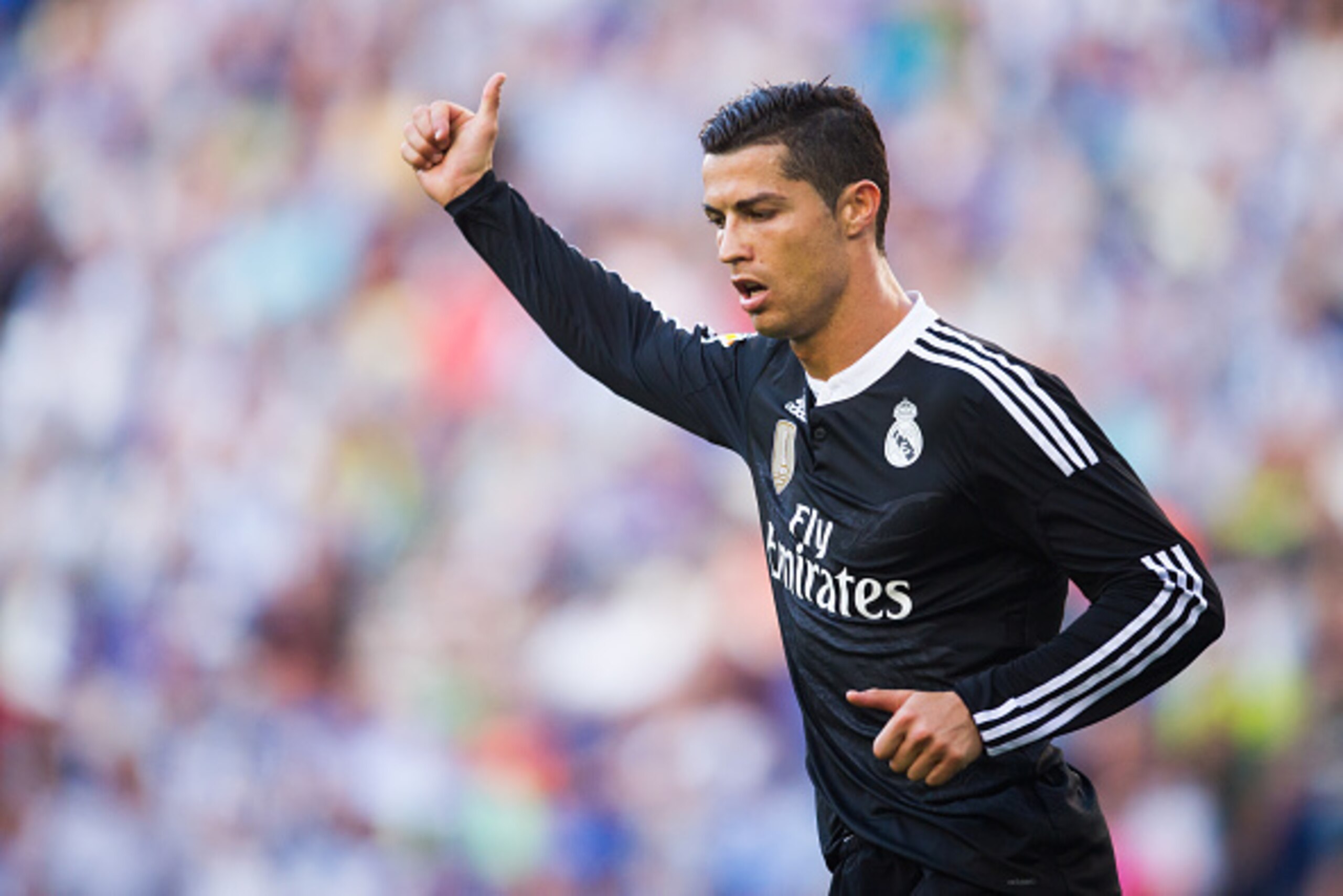
It's the most pressing decision facing the new manager, because it will dictate nearly every decision to be made thereafter: How will Cristiano Ronaldo's role be defined next season?
In 2014-15, we witnessed an evolution in Ronaldo's game, as the Ballon d'Or winner moved away from the wing and significantly closer to goal, essentially performing the role of an out-and-out striker. The result was a less spectacular Ronaldo, but a staggeringly efficient one—a Ronaldo who needed fewer shots per goal; who became the master of the one-touch finish; who used his head more; who created for others more.
Gone are the days of the Portuguese storming down the left wing. All the evidence now suggests he's the world's finest No. 9.
But in 2014-15, the 30-year-old's evolution also became troublesome for his team because Real Madrid as a whole didn't adjust accordingly. In Carlo Ancelotti's hybrid 4-3-3 (it became a 4-4-2 to defend), Ronaldo's starting position was still on the left, which meant Real's formation became lopsided when he drifted centrally.
Consequently, left-back Marcelo essentially had to perform the left-wing duties, stretching Real's defence and leaving them vulnerable to counter-attacks and losses of possession. Ronaldo's positioning also impacted Gareth Bale, who was forced into an uneasy middle ground in which he was asked to operate as both Real's third forward and fourth midfielder.
It's imperative, therefore, that Benitez clearly defines Ronaldo's role. Does he return the Portuguese to the wing? Or does he allow Ronaldo to complete his transition to a central striker? It's not so much what the decision is that's important; it's that a decision is made that's key.
Ronaldo's role needs to be clearly defined, as it will determine the team's shape, the composition of the XI and the positioning of team-mates.
Finding Freedom for Bale
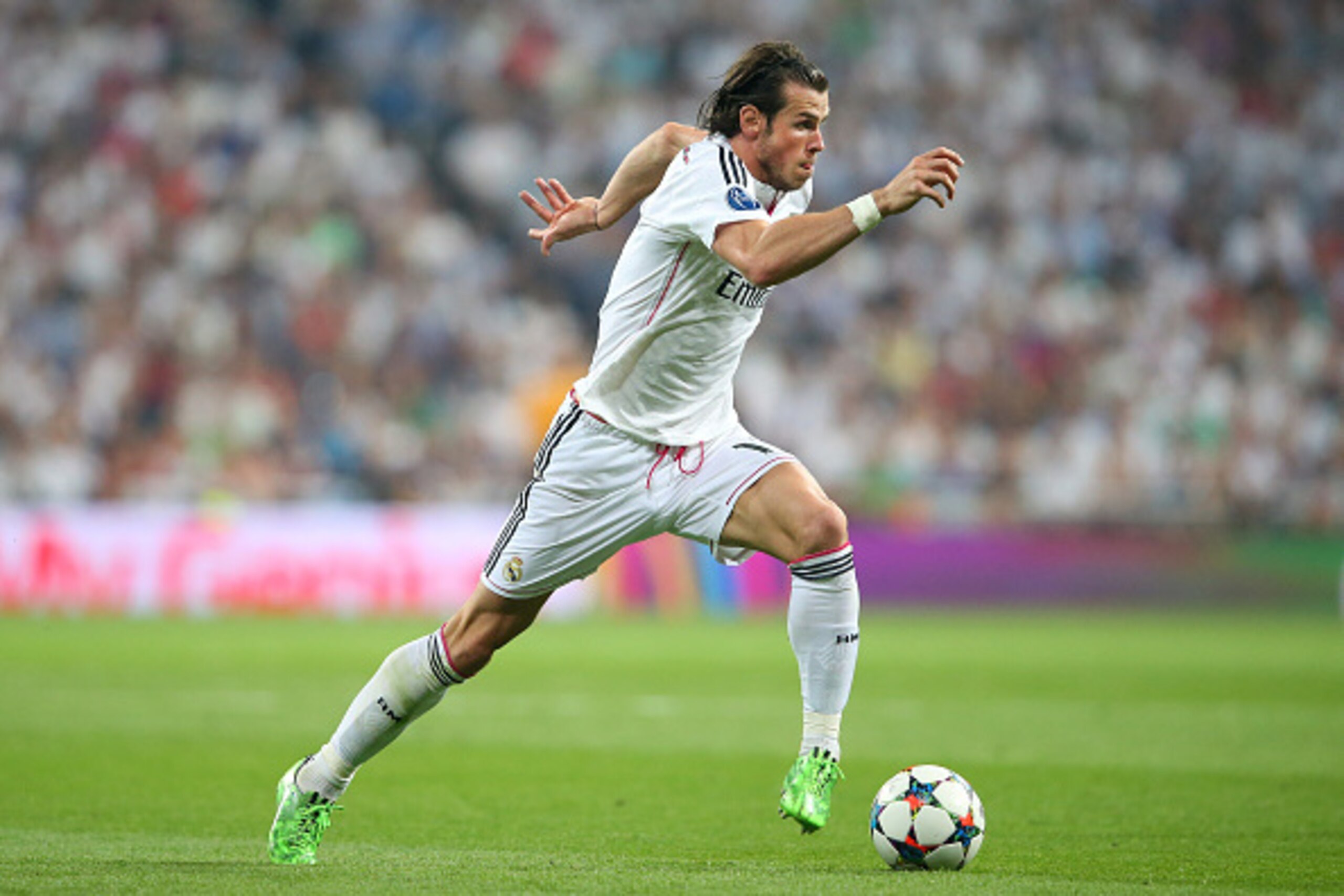
It was October 2013, and Real Madrid had just lost the first Clasico of the 2013-14 season to Barcelona at the Camp Nou, a game in which an underdone Bale had started as a centre-forward (some said false nine) and had little impact.
"This is not the Bale we've seen on YouTube," remarked Marca.
It was the most modern of headlines, one lamenting the absence of the breathtaking power and dynamism that had defined Bale at Tottenham Hotspur.
Eventually, of course, Real Madrid saw the Bale they'd seen on YouTube in the 2013-14 season, but Marca's headline now feels applicable to the Welshman's entire 2014-15 campaign.
Indeed, his second year at the Bernabeu was a difficult one: His role felt uncertain; the hybrid 4-3-3 system didn't appear to suit him; he struggled with form and injuries; the club's fans were often on his back; there were moments of tension with Ronaldo.
But more than anything, Bale looked like a greyhound on a leash in 2014-15. Stuck playing a half-and-half role between the midfield and the front line, the 25-year-old was rarely able to use his athleticism, his explosiveness. Alongside technicians such as James Rodriguez, Luka Modric, Toni Kroos and Isco, he regularly found himself in tighter spaces, Real employing a slightly more intricate method due to the presence of so many natural No. 10s.
Now, Benitez must find a way to give Bale the freedom he requires. Bale is a dynamic athlete and must be used as such; he's a natural creature who needs to be allowed to do what comes natural to him.
Benitez needs to let him off the leash.
Address the Balance and Freshness of the Midfield
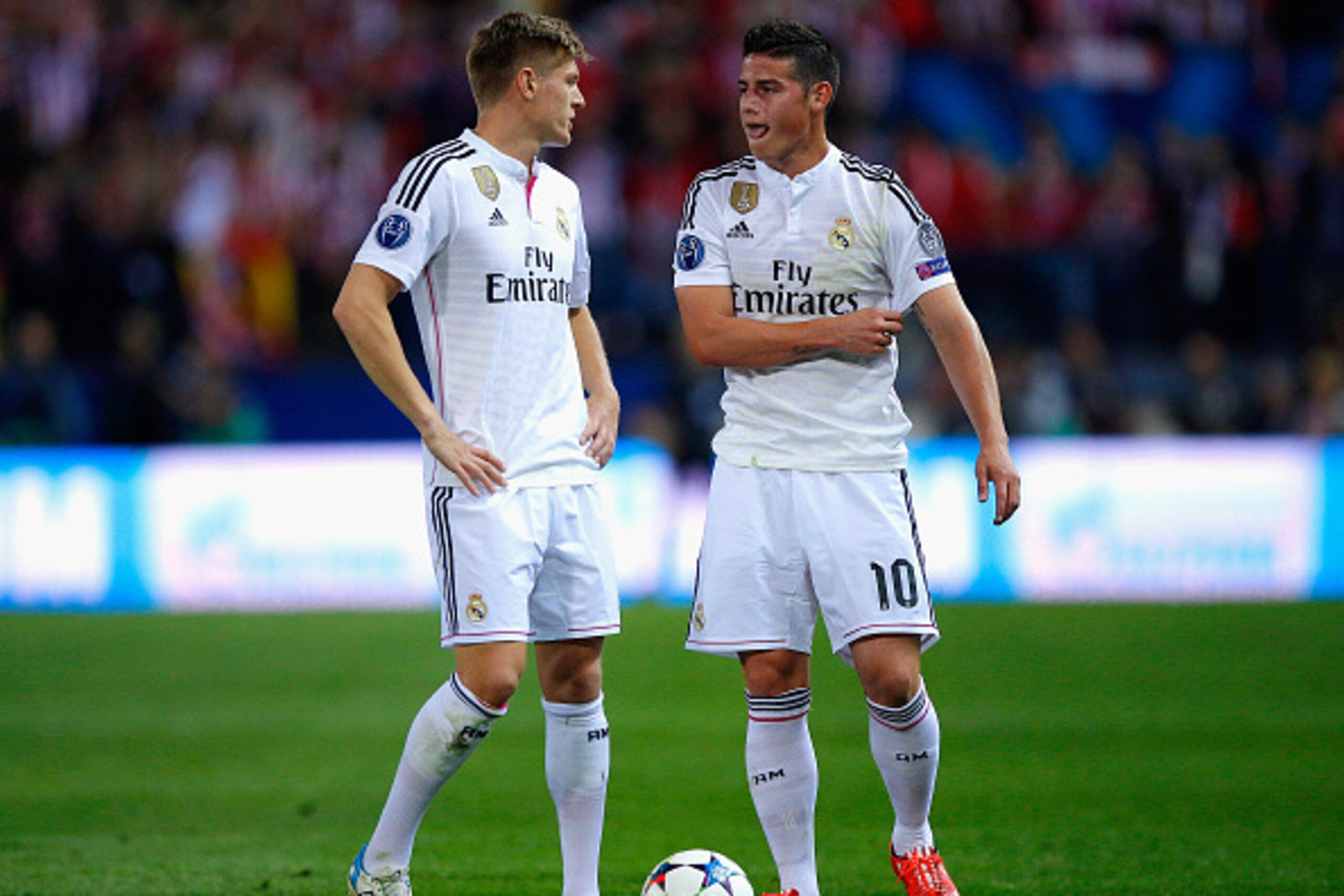
The loss of Xabi Alonso last summer came as a shock. The sale of Angel Di Maria stirred comparisons with that of Claude Makelele a decade earlier. And when Kroos and Rodriguez arrived to join an already attack-heavy squad, many wondered how Ancelotti could arrange a balanced, two-way midfield in 2014-15.
Still, up until December, it appeared that he had: Real Madrid stormed to 22 consecutive victories as Kroos, Rodriguez, Modric and Isco formed a sublime midfield combination. But when both injuries and fatigue hit in the second half of the campaign, the skewed balance of Real's midfield was brought undone.
The presence of slight bodies made the 2014 European champions easy to breach, putting pressure on a defence that was regularly stretched due to the lopsided formation mentioned earlier. According to WhoScored.com, Ancelotti's men conceded 11.9 shots per game in La Liga this season—a figure a long way off the benchmark set by Barcelona (8.0).
Additionally, Ancelotti's reluctance to rotate meant that his natural holding options in Asier Illarramendi, Lucas Silva and Sami Khedira had little or no form when they were sporadically called upon.
If Real Madrid are to dethrone Barcelona, the composition of team's engine room needs a rethink.
For Benitez, the first decision will centre on the system, with his managerial history indicating his preference for a 4-2-3-1. If the former Napoli boss does implement that shape, Kroos will certainly benefit from having a team-mate beside him in a midfield pivot. Benitez could utilise Modric alongside the German, but he might also have Illarramendi, Silva and the returning Casemiro as alternative options to keep his collection of central players fresh—something Ancelotti failed to do.
But the new Real Madrid boss could also turn to the transfer market in the search of a more physical presence to anchor his midfield, with Juventus' Paul Pogba certainly fitting the bill.
Settle the Goalkeeping Situation
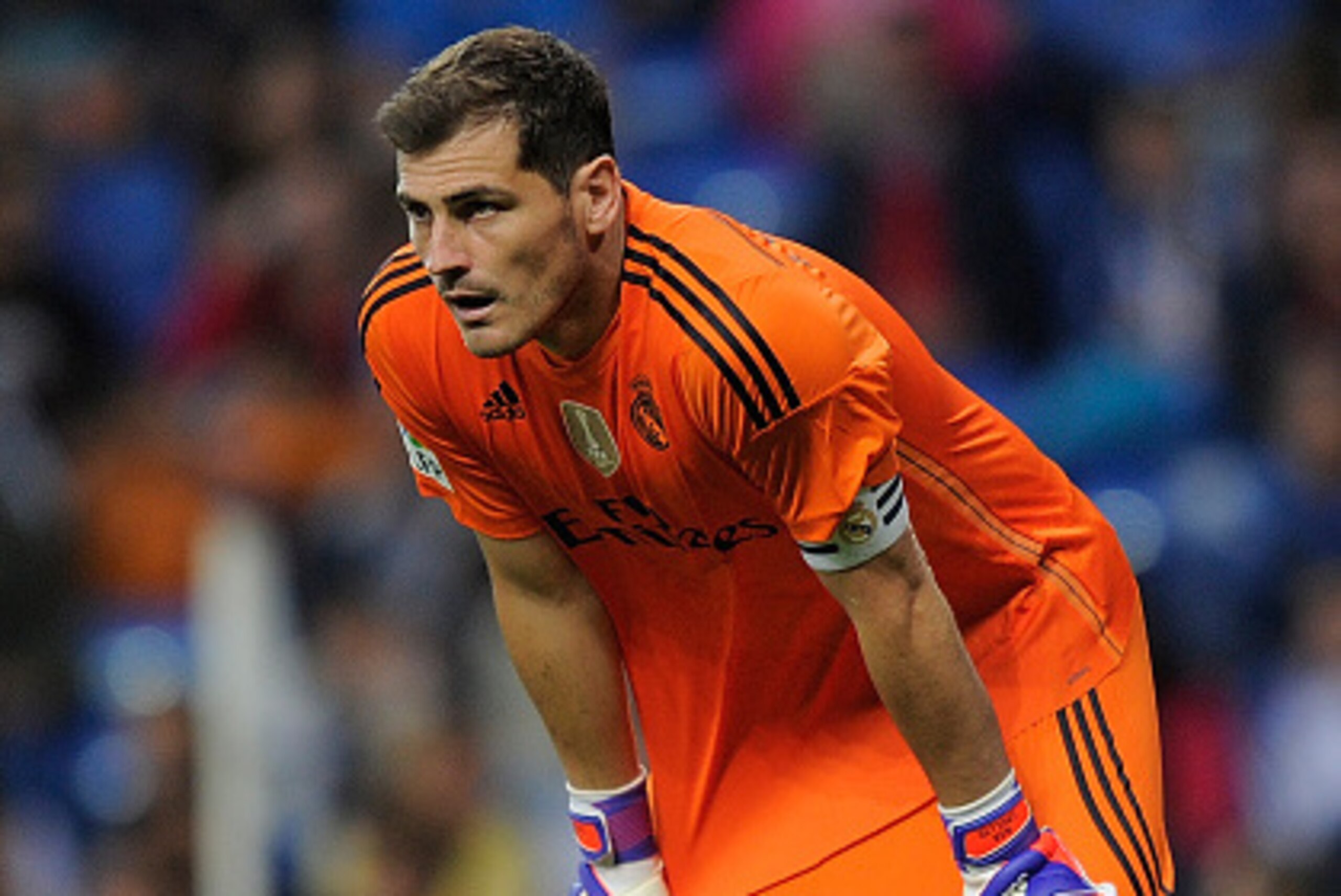
Who is Real Madrid's No. 1 goalkeeper? Is it Iker Casillas? Is it Keylor Navas? Might it be David De Gea?
It's a delicate issue for Real Madrid, but it needs clearing up.
Last summer, the impressive Navas arrived amid the decline of Casillas but spent the season largely watching from the bench as the Real Madrid icon was preferred by Ancelotti. Early in the season, "San Iker" enjoyed a quiet resurgence but then endured a difficult second half of the campaign and seemed to be continually selected by Ancelotti on sentiment rather than form.
As such, Los Blancos lacked the truly elite goalkeeper that is needed to triumph across multiple fronts—something that seemed to further destabilise a defence that wasn't exactly assured against powerful opposition.
Thus, Benitez needs to take a strong stance in relation to Real's keepers. If Casillas is chosen as his No. 1, it must be on merit and not his standing at the club. And if he prefers Navas or possibly De Gea, they must be used immediately, sending the message that Benitez is clear on his best XI and is comfortable asserting his authority on his new squad.

.jpg?w=2560 "Chiefs, Steelers Eye WR Trades")






.jpg?w=2560 "Raiders Sticking with Cousins")