Why Alex Song Retirement Represents a Major Failure for Cameroon
As is increasingly the case ahead of a major international tournament, African national team’s squad announcements are accompanied by player retirements.
Ahead of the 2013 Cup of Nations, Ghana’s Ayew brothers, Andre and Jordan, called time on their Black Stars careers after being ignored by Kwesi Appiah. Before the 2014 World Cup, Seydou Doumbia of the Ivory Coast decided to withdraw himself from international selection after being overlooked by Sabri Lamouchi.
And now, on the eve of the 2015 Afcon, Alex Song has decided to reveal he is no longer an option for Cameroon.
TOP NEWS
USWNT Fights Back to Draw vs. Spain 🙌

Messi Picks 10 Rising Stars 💫
Live Wednesday's UCL Top Moments 🤩
Song’s decision comes in the context of a “will he, won’t he?” saga ahead of Volker Finke’s squad announcement.
The Barcelona man was dropped and disgraced by the Central Africans after his showing at the World Cup, when he was sent off against Croatia for levelling Mario Mandzukic with an elbow to the head. He played no part in the Afcon qualification campaign as the Indomitable Lions secured a spot at the continental high table without breaking a sweat.
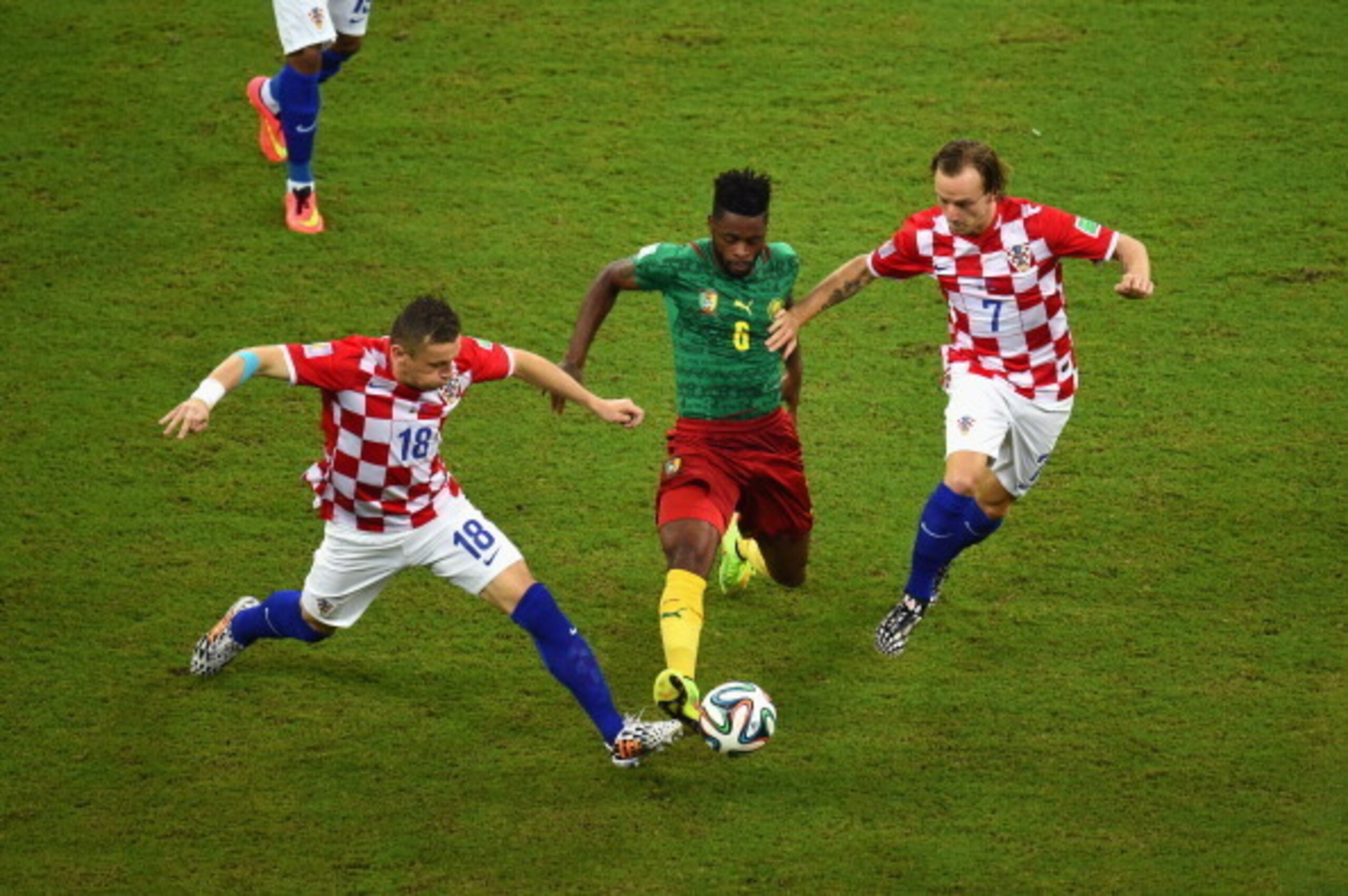
However, Song’s fine performances since returning to the Premier League on loan at West Ham United have led to questions about whether he deserved a recall to the national side.
James Ezimoha, for example, writing for Africa Football Shop, had the following to say: “I was looking forward to Cameroon’s team list for the next batch of Nations Cup qualifiers, hoping that Song would finally make a return for the Indomitable Lion, but, no, he was snubbed again by Finke.”
Finke resisted the temptation to bring Song back into the fold during the qualifiers, but with the Cup of Nations looming, would he turn to the ex-Arsenal midfielder?
A supposed injury to Stephane Mbia, via Mohamad Mosselhi of Ahram Online, accompanied media speculation, according to Sam Cunningham with the Daily Mail, that he would be returning in time for the trip to Equatorial Guinea. Rory Smith of The Times, for example, commented it was “pretty clear if Mbia is fit, Song doesn’t go.”
It’s easy to see why Smith (and others) would arrive at this conclusion, and would expect an injury to Mbia to lead to a Song recall.
The ex-Queens Park Rangers man often operates as a central midfielder at club level, playing a not-too-dissimilar role to the one Song plays for the Hammers. Were he to miss out while operating in this guise, then Song would be a feasible stand-in.
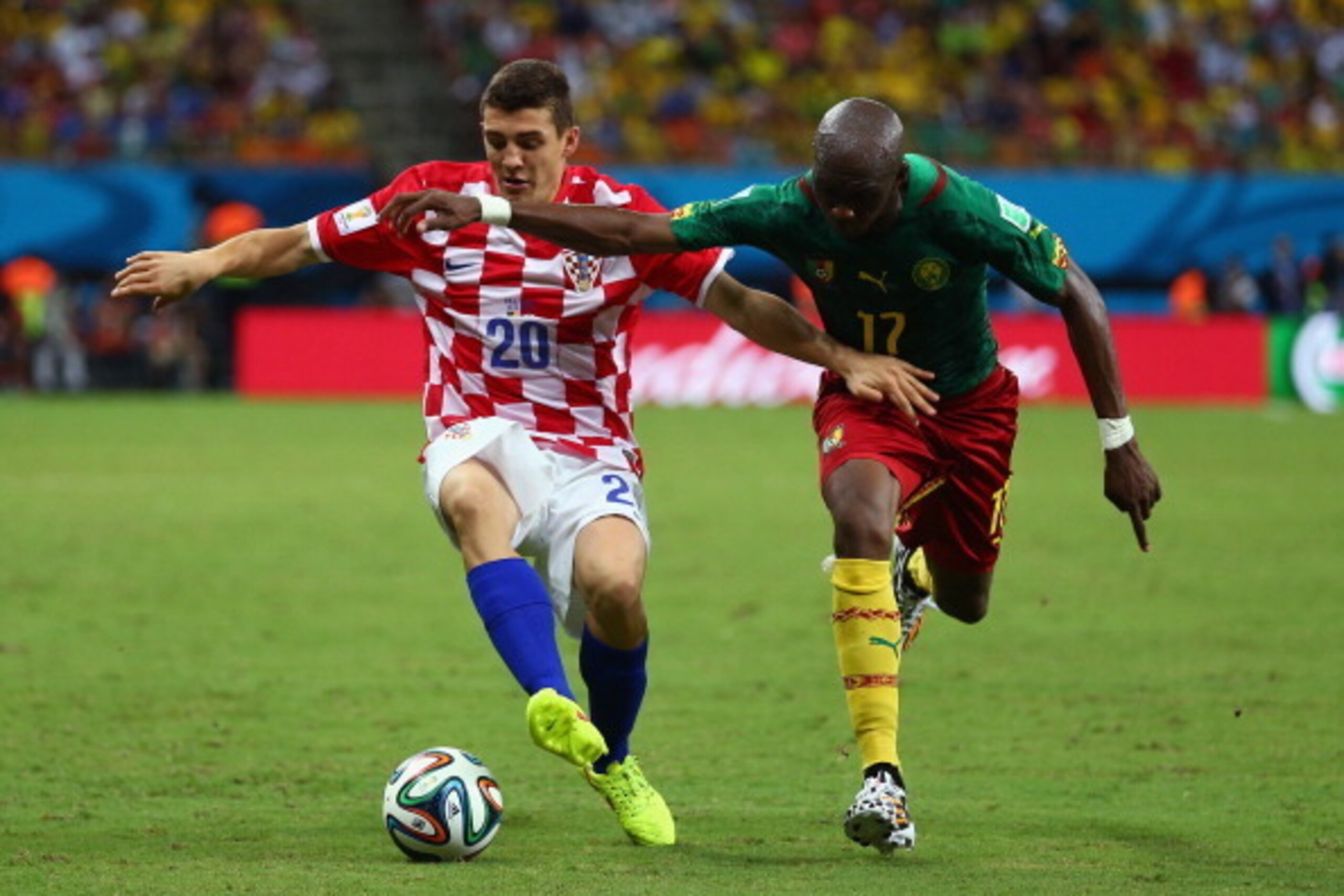
However, during the qualifiers, Mbia featured exclusively as a defender for Cameroon. He started at right-back for the first three matches, and in centre-back (alongside Nicolas N’koulou) for the last three.
Had he been out of the Afcon (as it stands, Mbia will travel with the Indomitable Lions) then the likes of Frank Bagnack, Aurelien Chedjou or Jerome Guihoata would have been his natural replacements.
Yesterday, having not been invited to the squad, Song announced his retirement from international football.
Writing on his Instagram account, the midfielder had the following to say:
"Since the World Cup in the summer and my subsequent exclusion from the Cameroon squad for the African Cup of Nations I have taken the decision to retire from International football. It is true that there were some discussions of late to include me in the squad for this tournament but I feel after a lot of careful thought and numerous discussions with my family this is the right decision.
My love for my country will never change but I want to take time to focus purely on domestic football and start to rebuild my career at West Ham United. I wish Cameroon all the best and the team will always be in my heart.
"
Soon after Song’s announcement, John Bennett of BBC Sport commented on Twitter that Song’s retirement was “not a blow for Cameroon.”
I completely agree with Bennett’s reasoning here, particularly point two.
During qualification, Cameroon topped a potentially taxing group quite comfortably.They were magnificent as they dissected the Ivory Coast in Yaounde and, unlike at the World Cup, they demonstrated mettle in defence. No side conceded fewer goals than Finke’s Lions during the qualification programme.
It’s true team spirit has been a problem in the past; back in 2006, president Paul Biya called on national legend Roger Milla to lift the mood of the camp ahead of the Afcon, while ex-South Africa defender Matthew Booth criticised the Cameroonians’ attitude after the 2014 World Cup.

Since Finke axed the divisive influences—the likes of Samuel Eto’o and Benoit Assou-Ekotto, as well as Song—the team have looked united and have appeared to be playing for one another, and for the boss.
It’s true a recall for Song would have threatened that newfound harmony and, ultimately, might just have been a risk too big to take.
However, while there are certain tangible benefits to Song’s absence, there must also be some concern for the omission of a player who provides the kind of quality few other African players can.
Without him, Finke has been left with five central midfield options: Eyong Enoh, Franck Kom, Raoul Loe, Georges Mandjeck and Patrick Ekeng. All are passable, competent players, but none can provide the kind of class Song can—none possess his vision nor his touch—and none can compare with his experience.

Song is a higher calibre of midfielder than the other five, and without him the centre of Cameroon’s 4-4-2 or 4-2-3-1 formation risks being full of endeavour and effort but low on vision and genuine quality.
"A great team is stronger than great players," or so the argument goes, but Cameroon’s inability to get the best out of Song in the short-term means their side will be weaker for his absence.
Song is not some wild-card player who cannot be tamed—just look at how driven and committed West Ham look this season with him in their ranks (via Song himself)—and Finke’s inability to control or reform the player must represent, to some degree at least, a failure on the part of the coach.
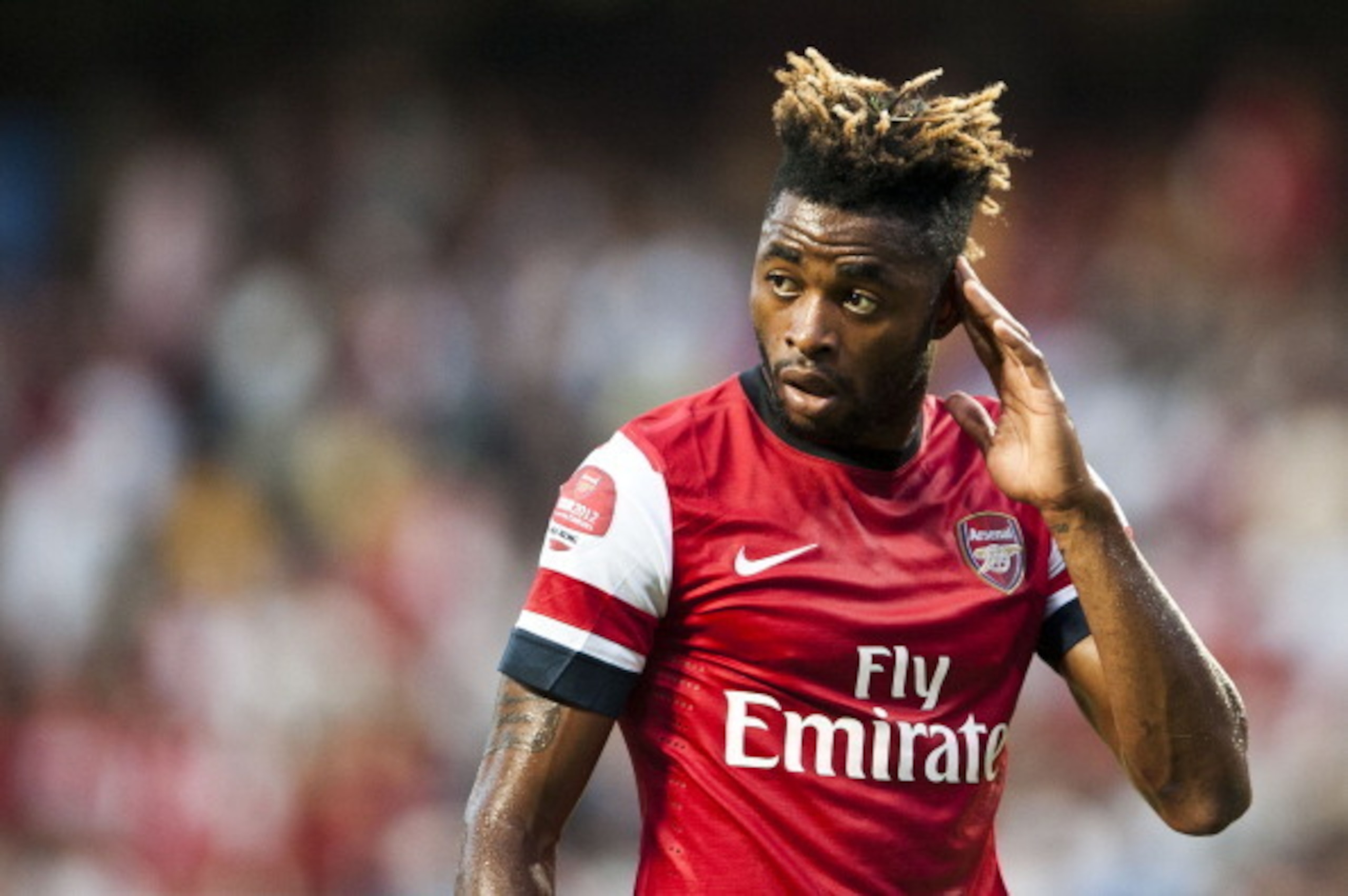
If Cameroon find themselves struggling to break down stubborn opposition in a tense knockout game, for example, perhaps the German boss will rue not having a competitor with Song’s dynamism to call upon.
Finally, if this does prove to be the end of Song’s international career, then his will be remembered as being unfulfilled—certainly within the contest of the national side.
An argument can be made that the 27-year-old is the best central midfielder of the post-Michael Essien, Seydou Keita and Yaya Toure generation.
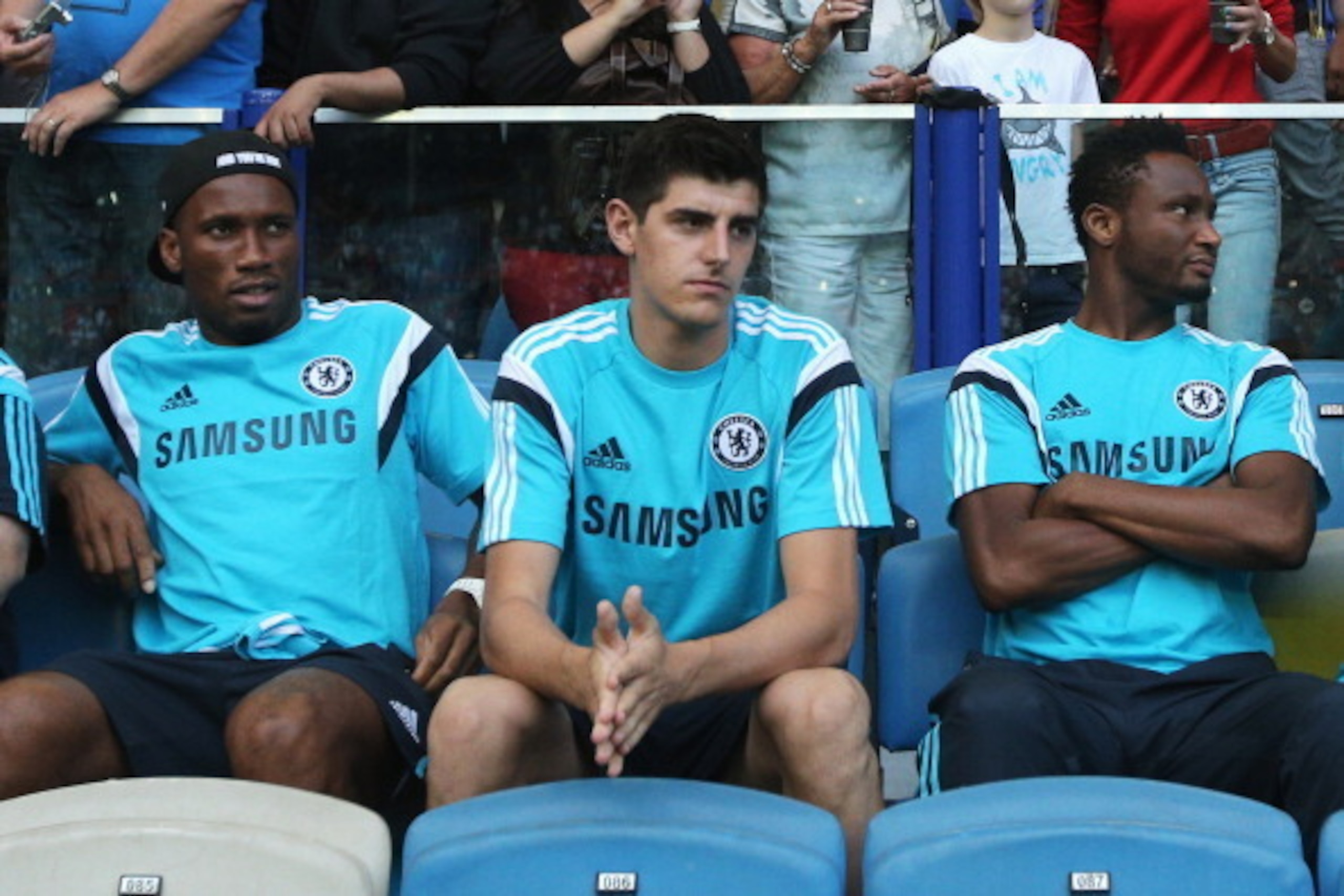
Key competition comes in the form of Kwadwo Asamoah, but the Juventus man has spent large portions of his career playing at left-back or at left-wing back. John Obi Mikel is another contender, but increasingly the Nigeria talisman is spending his best years on Chelsea’s substitutes bench.
Song came third in the CAF African Footballer of the Year vote in 2012 and once prompted Barcelona to separate with £15 million in order to bring him to Catalonia.
For his international career to end at 27, when he still potentially has his prime ahead of him, is a travesty and something Cameroon will come to regret.
The Douala-born star, had he brought his best to the international arena, might have been the fulcrum of the side for at least another two Cup of Nations tournaments and the 2018 World Cup. Instead, it looks as though that well-placed elbow in Manaus may prove to be his lasting legacy.
.jpg?w=2560 "New 2027 NFL Mock Draft 🔮")
.jpg?w=2560 "Jury Finds Tyreek Hill Liable for 2 Battery Counts (AP)")
.jpg?w=2560 "Top Trade Targets Entering Week 6")
.jpg?w=2560 "Ravens DB Called Tua INT 🔮")