Fandom And The Psychology Thereof—A Deadly Bug Bite
"Etymologically, the word fan derives from the word 'fanatic' and means an enthusiastic devotee...with personifying the word fan comes a certain mentality, a psychology." —Katie B. Davis
They are worn on shirts, hats, skin, and in haircuts.
You can see them hanging from key chains, on credit cards, and flapping in the wind as cars pass with flags draped from the windows.


.jpg?w=2560 "NFL Paris Football")
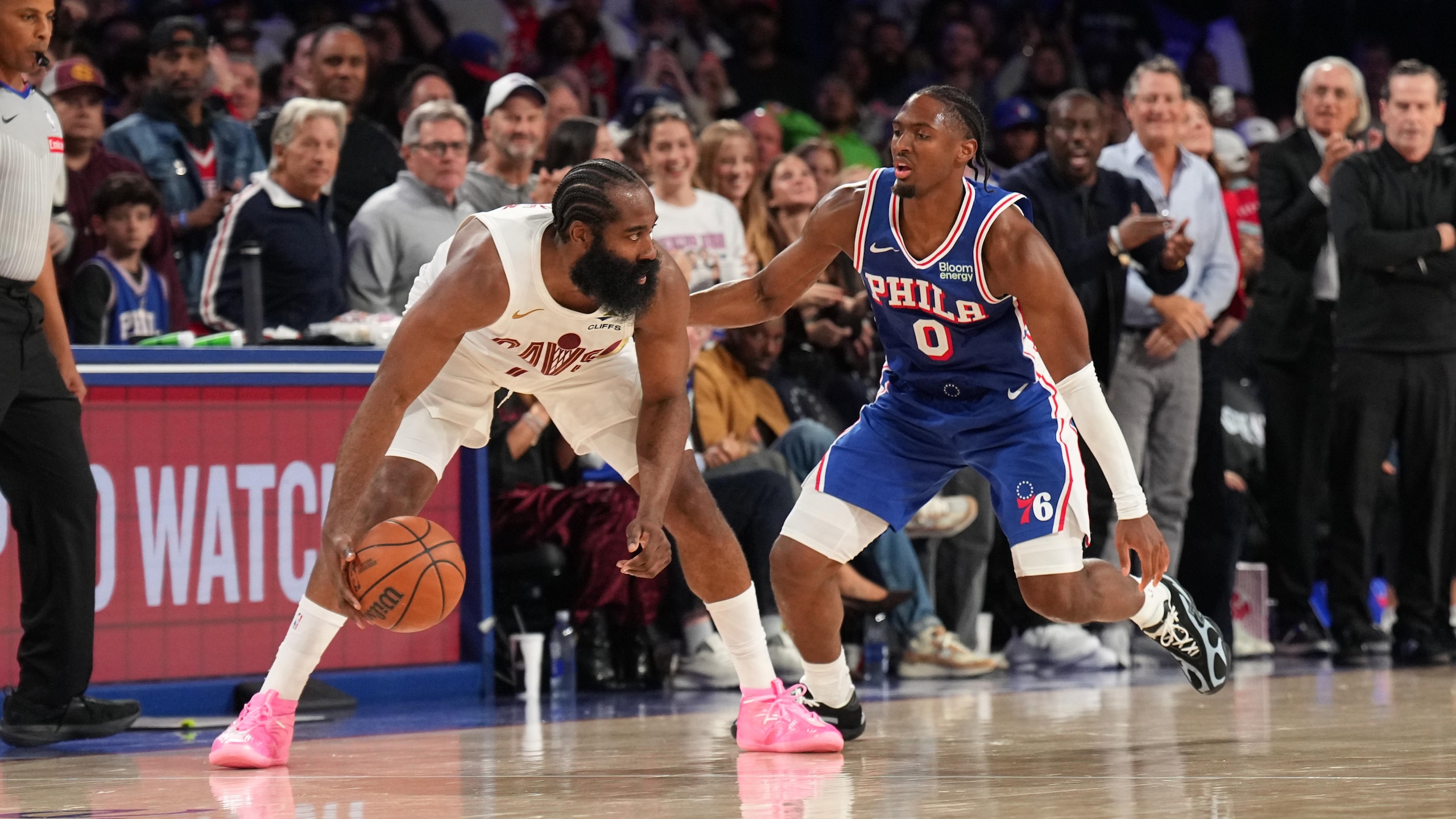
Fans will stop at nothing in their quest to announce to the world where their allegiances lie when it comes to their favorite team or athlete—whether they be professional, collegiate, or other.
Fandom can at times grow so out of control it harms friendships, marriages, and even physical health.
The latter is not a phenomenon exclusive to the infamous Hooligans of European soccer, either. An example much closer to home is the San Francisco Giants' fan who was shot to death by a Los Angeles Dodgers' fan during an argument at Dodger Stadium following a game between the rival clubs in 2003.
What is the cause of such deep-rooted emotion in connection with a team?
How do people become so enthralled by someone else who is simply playing a game?
There are many factors that come into play as a person evolves into a true fanatic. These include why or how a sport or athlete originally became the object of one's fanaticism, geographical factors, and the examples of fandom the budding fanatic is surrounded by.
In many cases, people follow the sports they themselves play as children; Little Leaguers are generally MLB fans, while Pop Warner participants generally follow the NFL, for example.
Another common cause is growing up on the lap of a fanatic; NASCAR fanatics come to mind for some reason.
Geography is an obvious factor in determining a person's sporting loyalties, as well. It is hard to imagine a kid growing up in Green Bay, Wisconsin and not being mad about the Packers.
Regardless of the initial inclination toward future heroes, most die-hard fans start early. Very few guys who become tennis fans because their wife introduced them to the sport at the age of 38 would be considered fanatics. There are, of course, exceptions to every rule.
The question posed is, what is the psychology behind fanaticism?
There are reports that state a driving force behind fandom is the desire to belong. While in a generic sense this is logical, it does not explain the colossal feelings that accompany a fan's obsession.
A need to belong simply cannot explain a Sacramento Kings' fan's overwhelming urge to punch the nearest wall from the mere thought of Robert Horry's game winning three-pointer in the 2002 Western Conference Finals, over seven years ago.
Another explanation experts give for fanaticism is to explain it away as an escape mechanism.
The premium tequila Patron allows a person to escape from reality; sports are a way of life that themselves necessitate escape at times. Surely Washington Nationals' fans are consuming unhealthy amounts of liquor this year.
Though there may not be a proper diagnosis for the cause of fanaticism, there is, at least, a fitting analogy.
Fanaticism is like a deadly bug bite. Often times the exact moment the bite takes place is not even known. It can seem quite harmless when discovered unless, of course, the victim is an entomologist.
Even as the poison spreads, it can be explained away; how dangerous can some redness and itching be? By the time the severity of the situation is realized, there is nothing to do but live with it until death. This is the state of any true fanatic.
Studies show that in male fans, testosterone rises 25 percent after their favorite team wins and drops 25 percent when their heroes are served a loss. There must have been countless unhappy homes in Detroit Lion land in 2008!
.jpg?w=2560 "Seahawks Chiefs Football")