
Rio de Janeiro's Olympic Sailing Site Is a Trash-Logged Sea of Nightmares
We’ve been looking for Jimmy Hoffa for decades, but investigators might want to check out the trash-strewn waters of Guanabara Bay before giving up the ghost.
Forming a picturesque pocket of blue on the Rio de Janeiro coastline, the cul-de-sac of water off the Atlantic Ocean appears, at first, to be the ideal spot for the upcoming sailing regattas at the 2016 Olympic Games.
Closer inspection, however, reveals a body of water piled with islands of trash. According to Rachel Glickhouse of GlobalPost (h/t Troy Machir of Sporting News) 40 percent of the city’s sewage is actually treated, while the rest of the liquid garbage ends up in lagoons, beaches and the bay area.

.jpg?w=2560 "Steelers Saints Football")
.jpg?w=2560 "Rams Raiders Football")
Even worse, somewhere in the neighborhood of 80 to 100 tons of trash is dumped into Guanabara Bay every day. You read that correctly—tons: the last weight increment you ever want associated with offshore trash dumping.
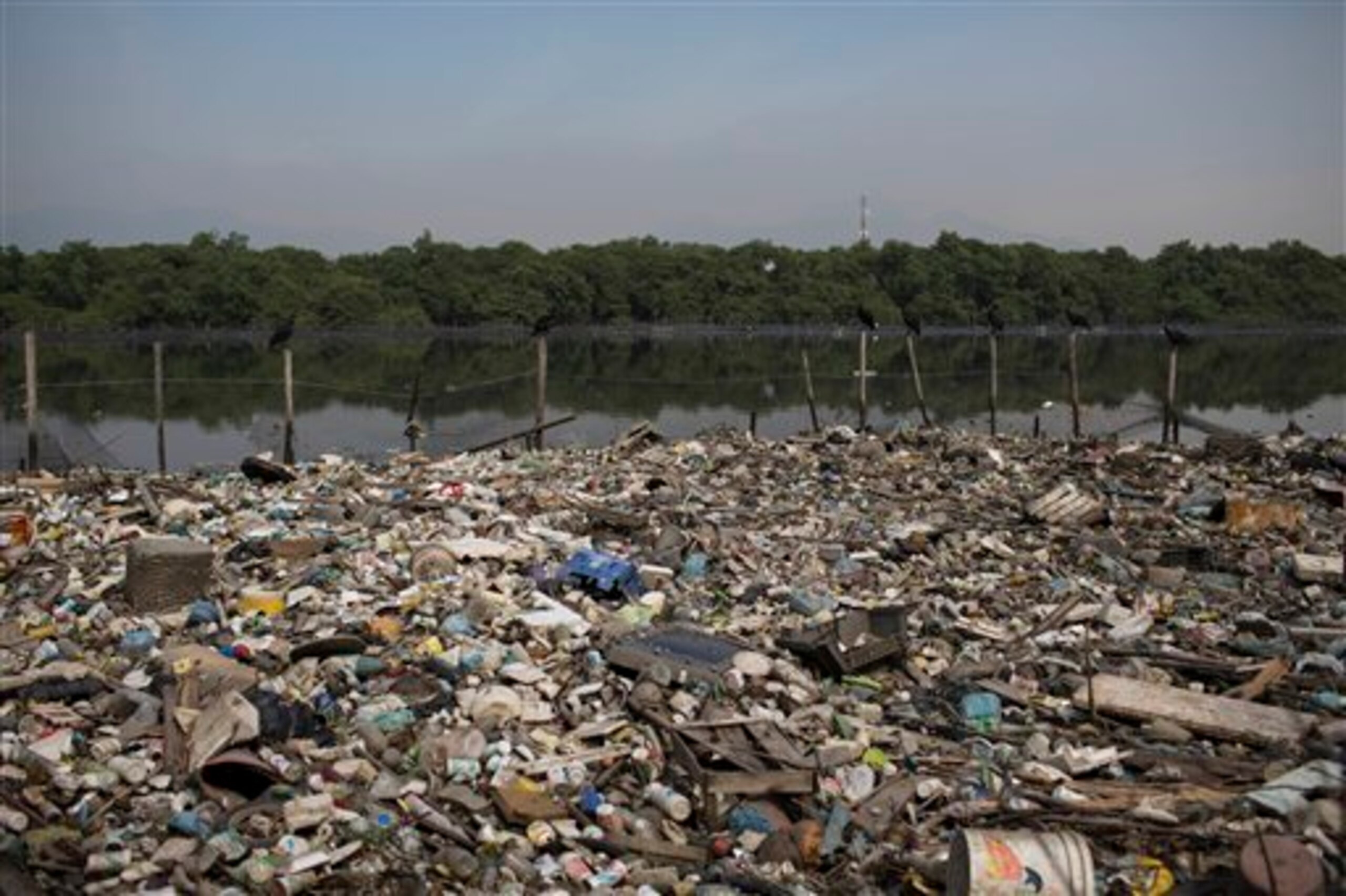
Mario Moscatelli, a biologist who’s spent decades monitoring the sewage problem in Rio de Janeiro, calls the water “a real latrine”—a label you don’t want slapped on the body of water Olympic athletes will be using in a few short years.
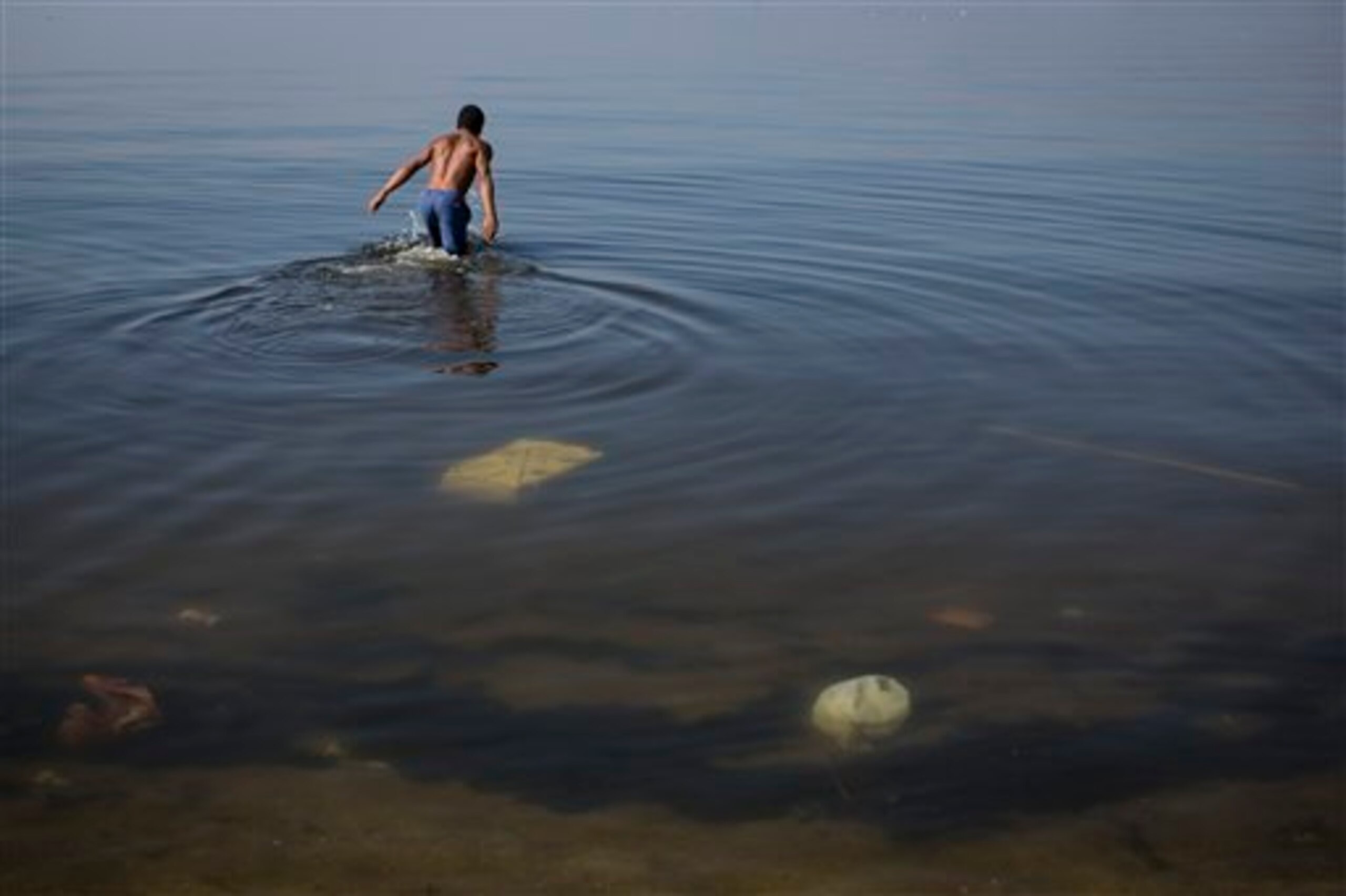
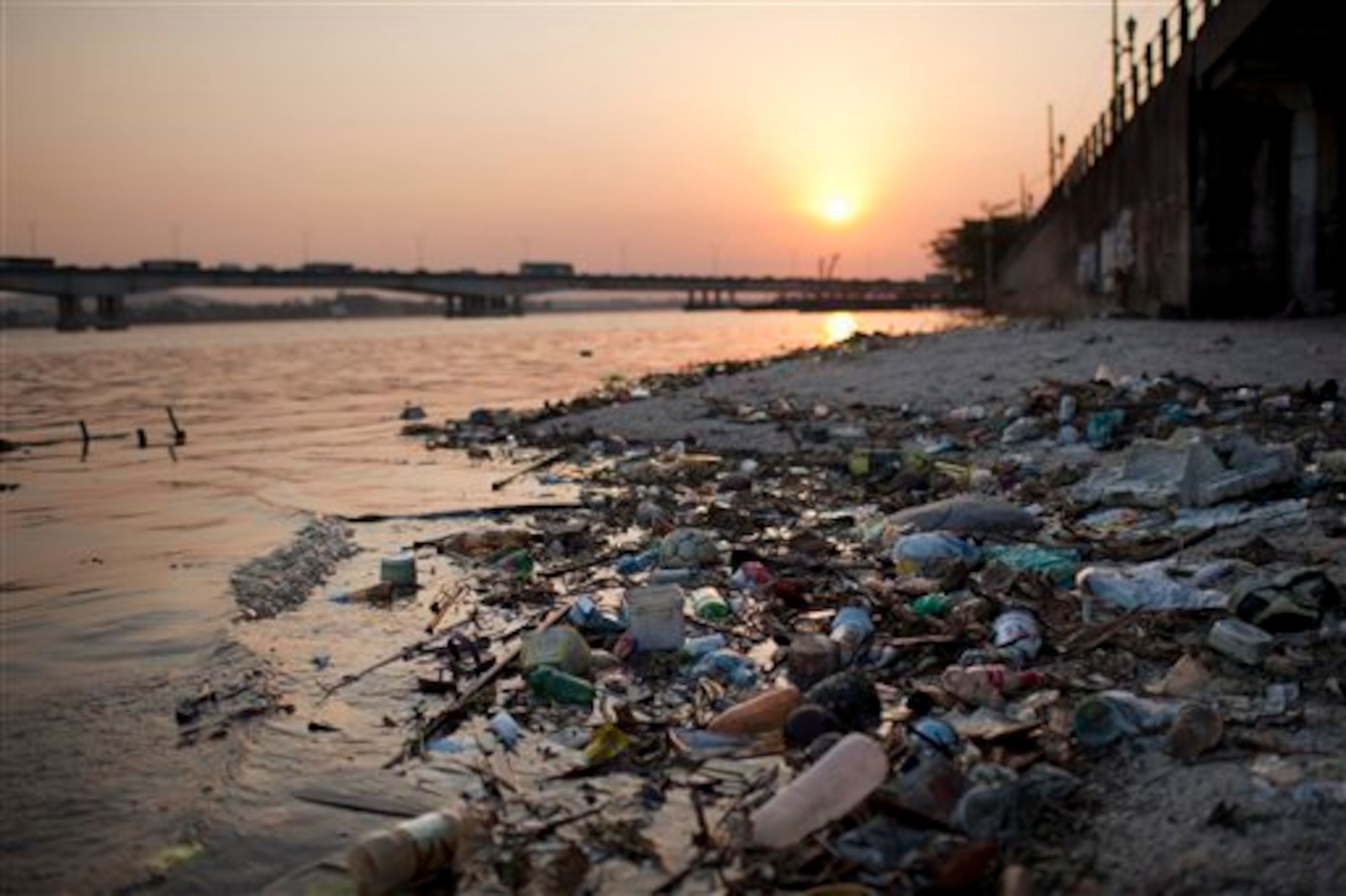
The most chilling allegations of the water quality in Guanabara Bay don’t even involve trash, though. Brazilian sailing champ Lars Grael told Esporte Essencial he’s encountered human bodies floating lifelessly while training in the bay.
Grael’s words on the pollution in the bay (translated from Portuguese):
"[Guanabara Bay] has a very bad quality of water. It’s a postcard ugly…you can create screens to prevent the trash from the Olympic streak…but still, looking at the quality of the water! In Guanabara Bay I’ve ever come across four times with corpses…Imagine that…a scene in the Olympics! God grant this does not happen.
"

Glickhouse writes that the problem of sanitation remains a non-issue in the eyes of the Rio de Janeiro’s politicians.
"Those involved with the sanitation problem in Rio say it’s an ‘invisible’ problem that doesn’t carry political capital, making it less of a government priority. In April, the state government announced that it was cutting its 2016 Olympics budget for bay clean-up by 95 percent, reducing spending from over $1 billion to around $51 million…The budget excludes sewage treatment centers.
"
I’m not sure what’s “invisible” about floating trash masses the size of Tahitian islands, but it would appear as long as there isn’t a detached finger bobbing in your glass, things are clean enough in Rio de Janeiro.
Hopefully this news will spur the International Olympic Committee to demand that Brazil do something—anything—to clean the water up between now and 2016.
I don’t believe it’s too much to ask for world’s top nautical athletes to compete in corpse-free maritime conditions. They can give us that much, right?
You can’t just skim the pool and call it a day, Brazil.

.jpg?w=2560 "AP Poll Top Five Week 9")
.jpg?w=2560 "Packers Safety Slams Refs 🤬")

.jpg?w=2560 "Lamar Being Out Shocked Ravens")

.jpg?w=2560 "Mahomes Told Teammate to Leave Meeting")