
5 Goals for Brad Stevens During Boston Celtics Stretch Run
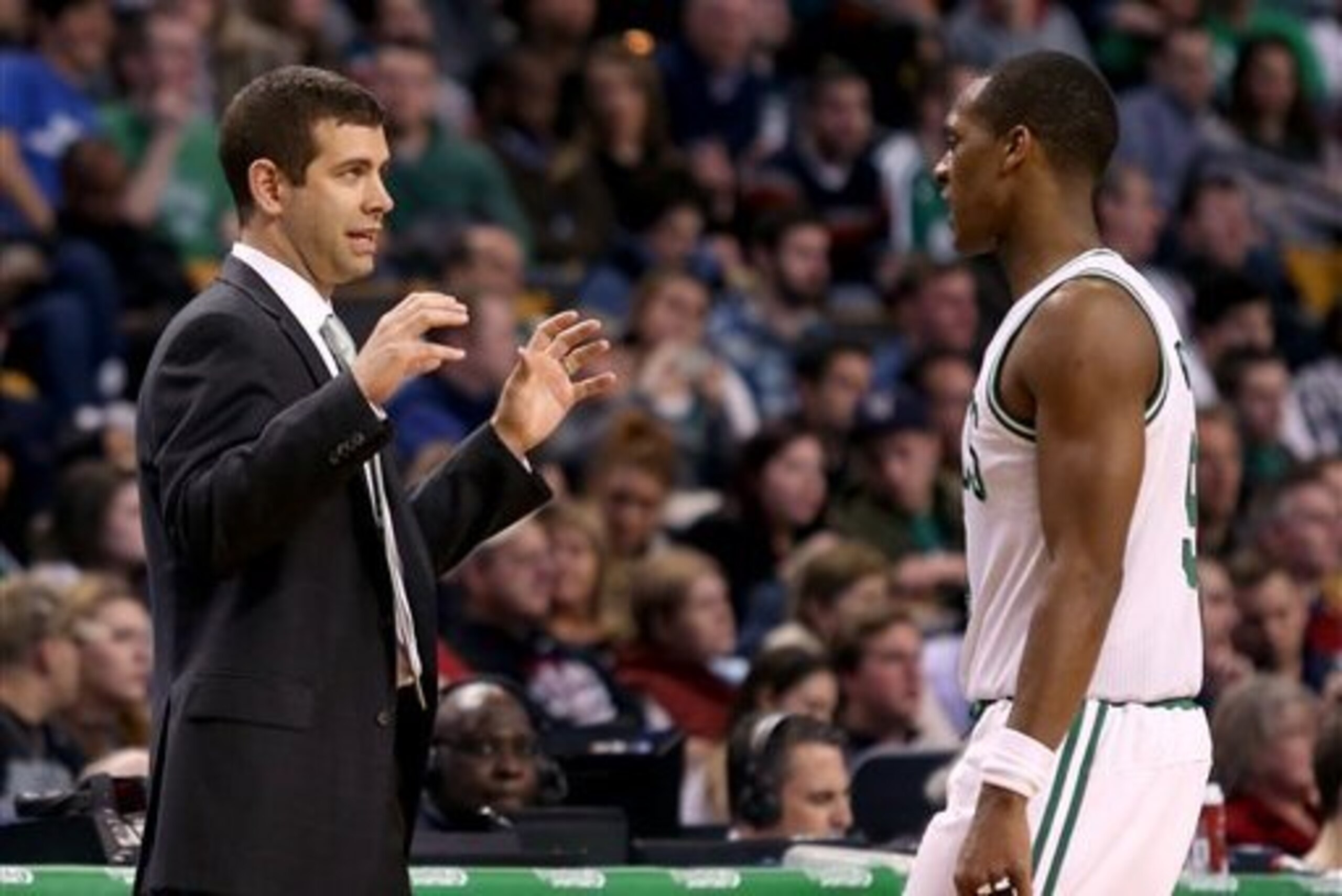
The Boston Celtics will not make the playoffs this season, but that doesn't mean head coach Brad Stevens doesn't, and shouldn't, have several achievable goals within reach.
Stevens is in this for the long haul. His contract doesn't expire until 2019, and aside from the team's ownership and general manager, Danny Ainge, Stevens is the only current face within Boston's organization guaranteed to be a Celtic at training camp next September.
Here are five things he can accomplish between today and the end of the season that will help make the rest of his tenure much more successful than his first go-around. They're ranked in order of importance.
5. Maximize Jeff Green
1 of 5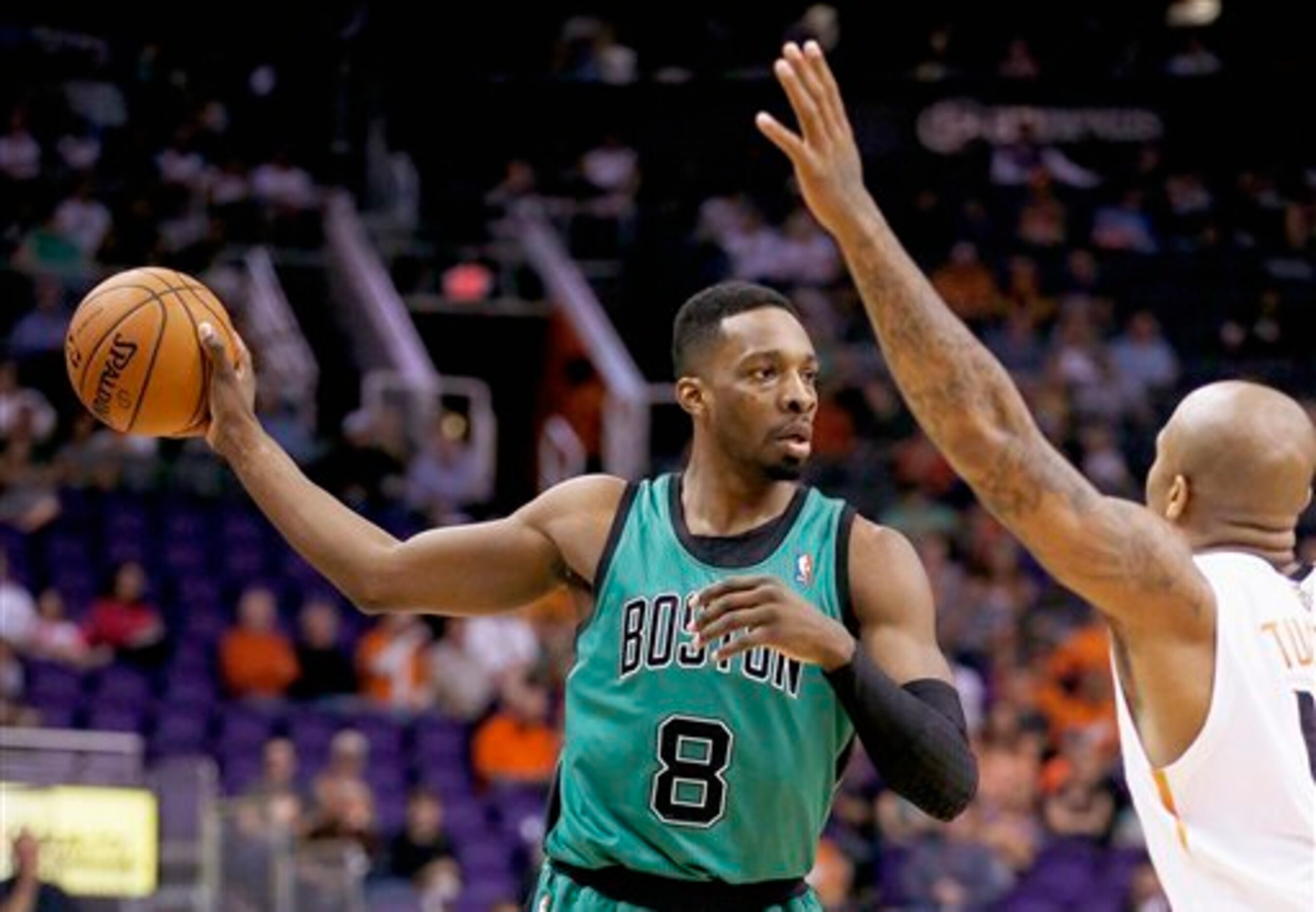
Outside of the general narrative he's most known for (a boundless talent who rarely plays up to his potential), Jeff Green's been a disappointing player this season.
Stevens has nudged him to evolve as a playmaking threat instead of letting him stay comfortable as the one-dimensional scorer he's been, but there's been very little development there. Green runs the occasional pick-and-roll, but it's extremely rare anything substantial comes from it. He doesn't make the defense work.
From here on out, maybe Stevens should be more forceful and demand Green to look for passing lanes instead of his own shot. The Celtics won't be a very good team if their leading scorer barely shoots 40 percent from the floor with a below-average PER.
Even if Boston has plans to shop Green this summer, it's best to boost his trade value, and that means turning him into the best player he can possibly be.
Also, how about showing more effort as a rebounder and more awareness as a defender away from the ball? Stevens should unleash Green on the boards and tell him to be more aggressive in an area he shouldn't be so horrible in. (Green is 11th on the team in total rebound rate, per Basketball-Reference.)
And as a defender there's really no excuse for most of his mental lapses. The tendency to focus on the ball and get beat back door needs to stop. It's correctable.
Stevens has the authority to bench Green, one of his best players, if the all-around play doesn't improve. This is obviously a last/worst-case scenario, but anything to get his attention should be considered. This isn't about turning him into an All-Star. It's about making him competent.
4. Run Plays for Kelly Olynyk
2 of 5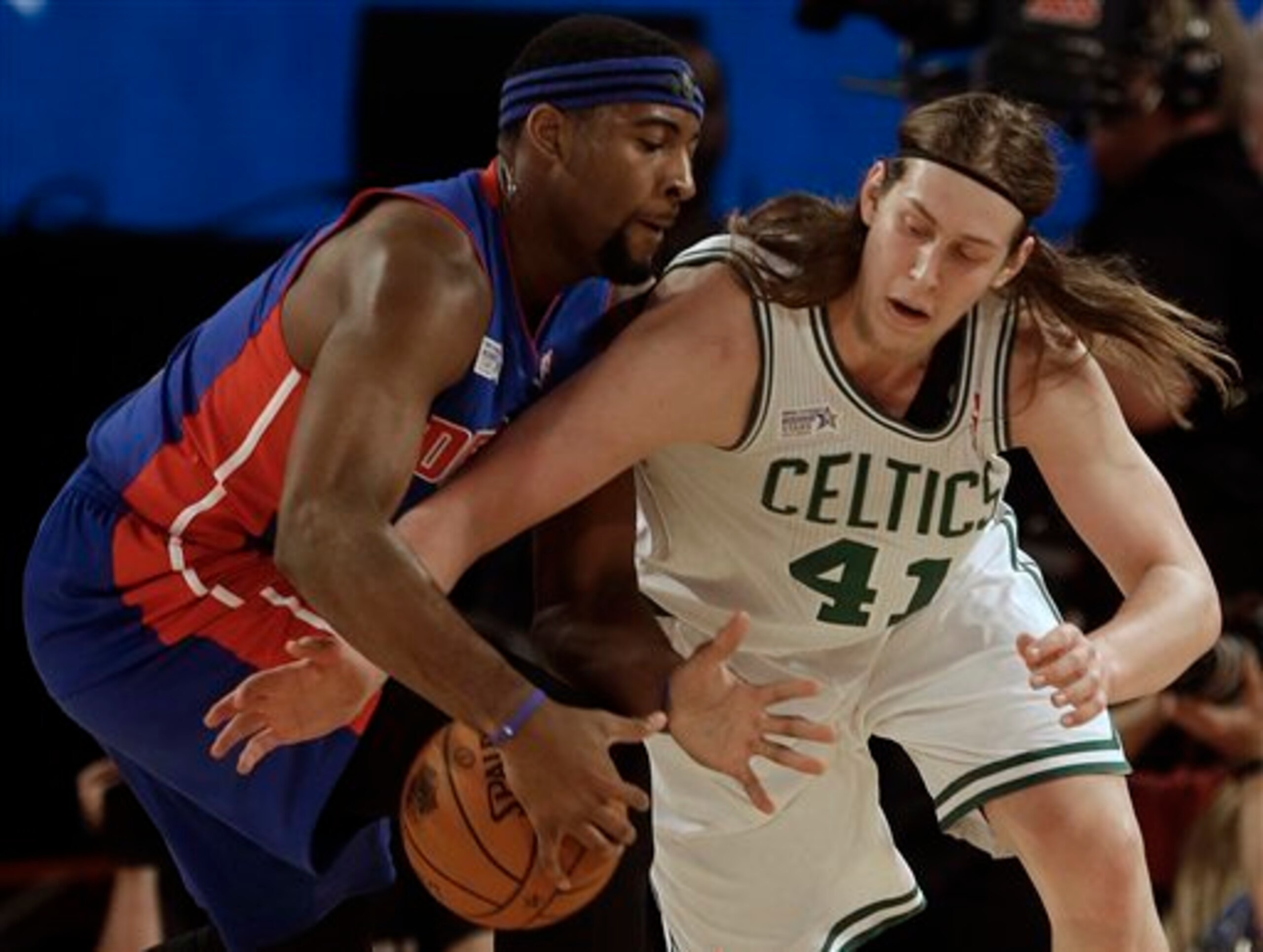
With Boston out of the playoff race, their collective organizational focus should be on seeing what they have with their young investments. This starts with Kelly Olynyk, an offensively-gifted 7-footer who’s spent most of the season crashing the offensive glass and operating on the margins of Boston’s offense.
The games don’t mean as much now, and it’s time Stevens runs plays for his rookie to see what he can get. Instead of having him set a screen and pop behind the three-point line, Olynyk should go to work on mismatches down low.
Rajon Rondo is the perfect point guard to distribute the ball in spots where Olynyk can attack, and now should be the time where the rookie gains some experience (and confidence) closer to the rim.
According to Basketball-Reference.com, Olynyk’s average field-goal attempt is 11.5 feet from the basket. For someone his size, with his technical skill set, Stevens should want to see if he can make that number drop from here on out.
3. Don't Win
3 of 5
If you’re reading this, chances are you know why an NBA team could be motivated to purposefully lose games once they’re out of a playoff hunt or in the midst of a rebuild.
In case you aren’t: The lottery.
Stevens' incentive to lose is the marginal increase in odds Boston could receive the 2014 draft’s No. 1 pick, getting to decide whether Joel Embiid, Andrew Wiggins or Jabari Parker is their next franchise cornerstone.
Stevens and the Celtics are losing games because they lack talent, not because they’re purposefully sabotaging the system. If Boston’s coach was in fact trying to lose on purpose, he’d throw Phil Pressey on the court 38 minutes a night, instruct his guards to keep the game at a snail’s pace and bench Jared Sullinger for all of April.
Even with 30-plus games remaining, Boston’s 2013-14 season is basically over. What’s left is the future, but even without Stevens’ guiding hand, things seem to be taking care of themselves.

2. Study Trends Across the League
4 of 5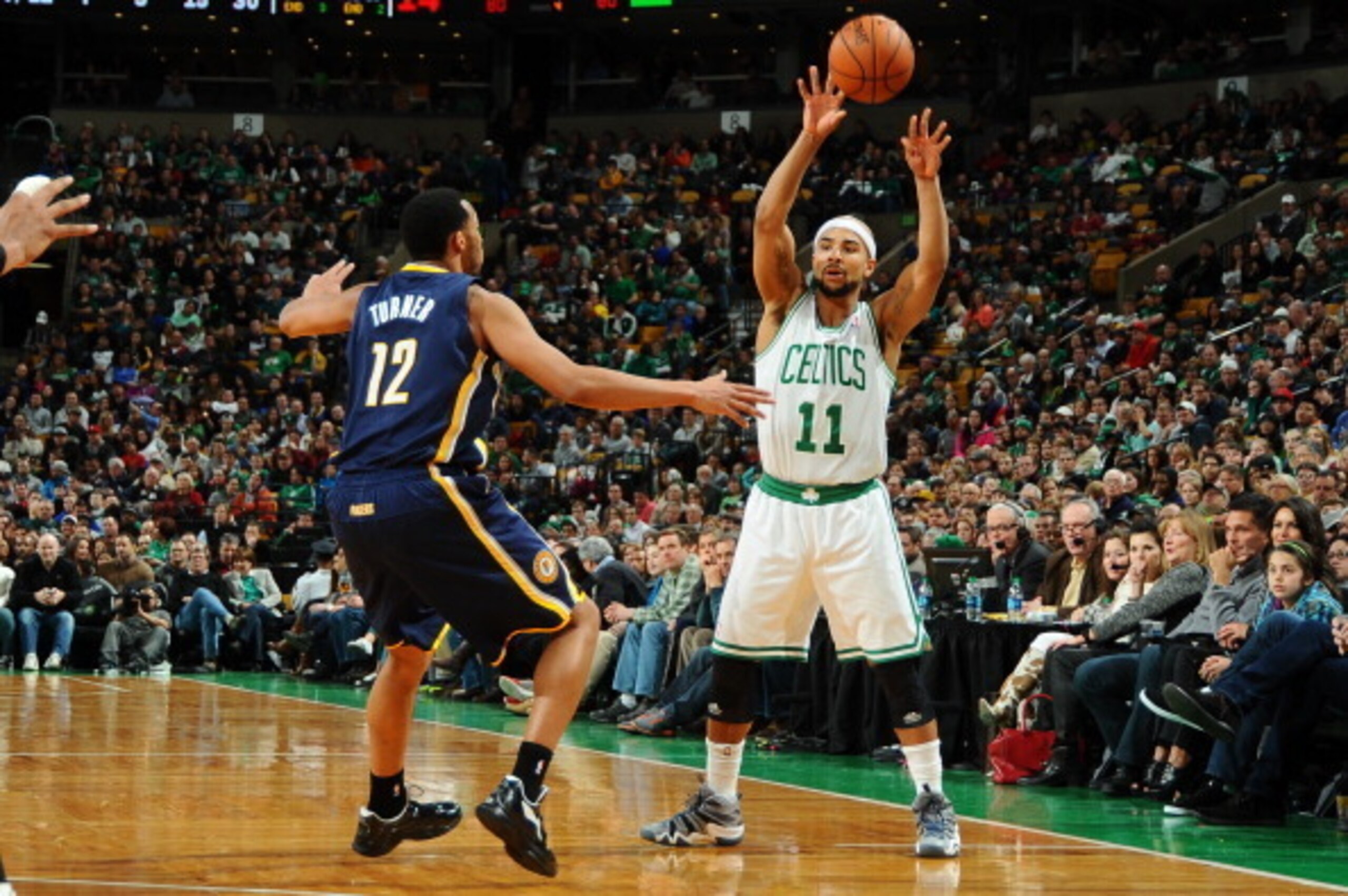
The NBA is a constantly evolving entity. Few belief systems are fixed, especially as the analytical era grabs modern thinking by the throat.
One shift has been how teams approach the three-point line on offense, and Brad Stevens has taken notice.
Opponents are shooting just 35.6 percent on corner threes against the Boston Celtics this season, one of the 10 lowest figures in the league, according to media.NBA.com/Stats (subscription required). Opponents also attempt only 14.1 above-the-break threes per game; only the Portland Trail Blazers, Toronto Raptors and San Antonio Spurs allow fewer.
What does this mean? Even though they’re undersized and less talented than their opposition on a nightly basis, Stevens has trained his players to protect the three-point line on defense. It’s a smart priority to have, one that shows how perceptive he is.
For the rest of the season, Stevens should study other league-wide trends in preparation for how he should mold his team next season, regardless of whether Rajon Rondo is still on it, Boston wins the lottery or Danny Ainge has acquired two more All-Stars.
These are scheming decisions independent of personnel, and Stevens should keep one eye on them at all times.
1. Study Rajon Rondo and Avery Bradley
5 of 5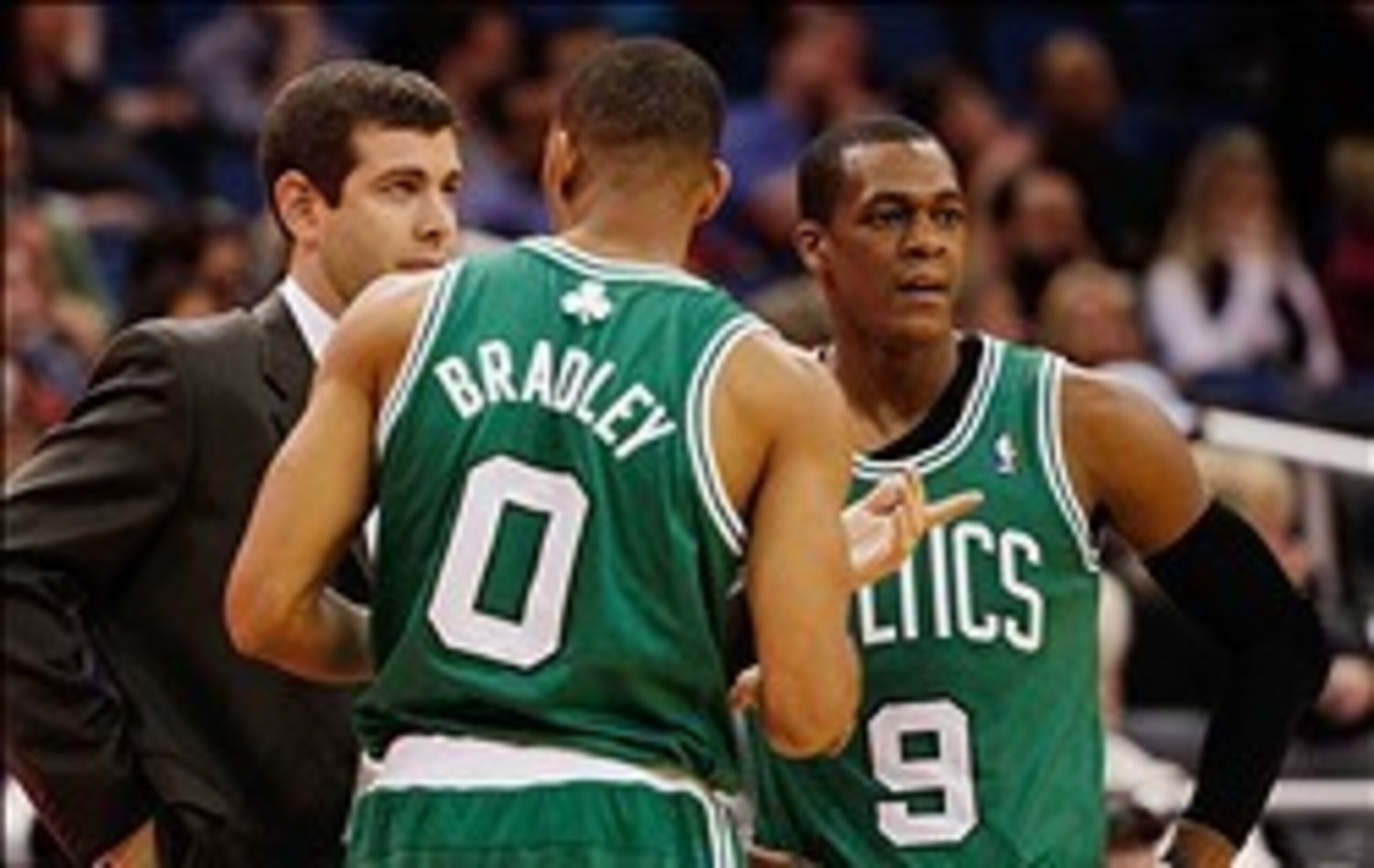
One of the most important on-court relationships in Boston lies between Rajon Rondo and Avery Bradley. Rondo is the team’s franchise point guard and four-time All-Star who's good enough to jab his thumb print on a game whenever he wants.
Bradley is five years younger, and much less comfortable with the ball in his hands. He’s the better defender and has improved his shooting this season (especially pulling up off the dribble), but the question of whether that shot is enough to counteract Rondo’s suspect (albeit rapidly improving) range is what Stevens needs to be sure of.
Unfortunately, thanks to injury, these two have shared the floor in only six games (97 minutes) all season. With Bradley scheduled to become a restricted free agent in July, Stevens and the Celtics need to know whether he can coexist beside Rondo, the player they’re publicly committed to long-term.
Is this Boston’s backcourt of the future? Stevens doesn’t have a lot of time left to find out, but it’s crucial he gathers as much information as possible.
If for whatever reason Bradley’s ankle takes two more months to heal, Stevens will pair Jerryd Bayless with Rondo and see what’s there—not because Bayless (an unrestricted free agent at season’s end) will be with Boston next season, but because he’s a score-first guard who can function off the dribble.
The idea of having two playmakers in the backcourt is an intriguing one, and if Rondo thrives beside Bayless, Bradley may not be the best option long-term. Either scenario can serve as a window into the future for Stevens moving forward.