
Kentucky Basketball: How Wildcats Must Adjust Defensively Before March
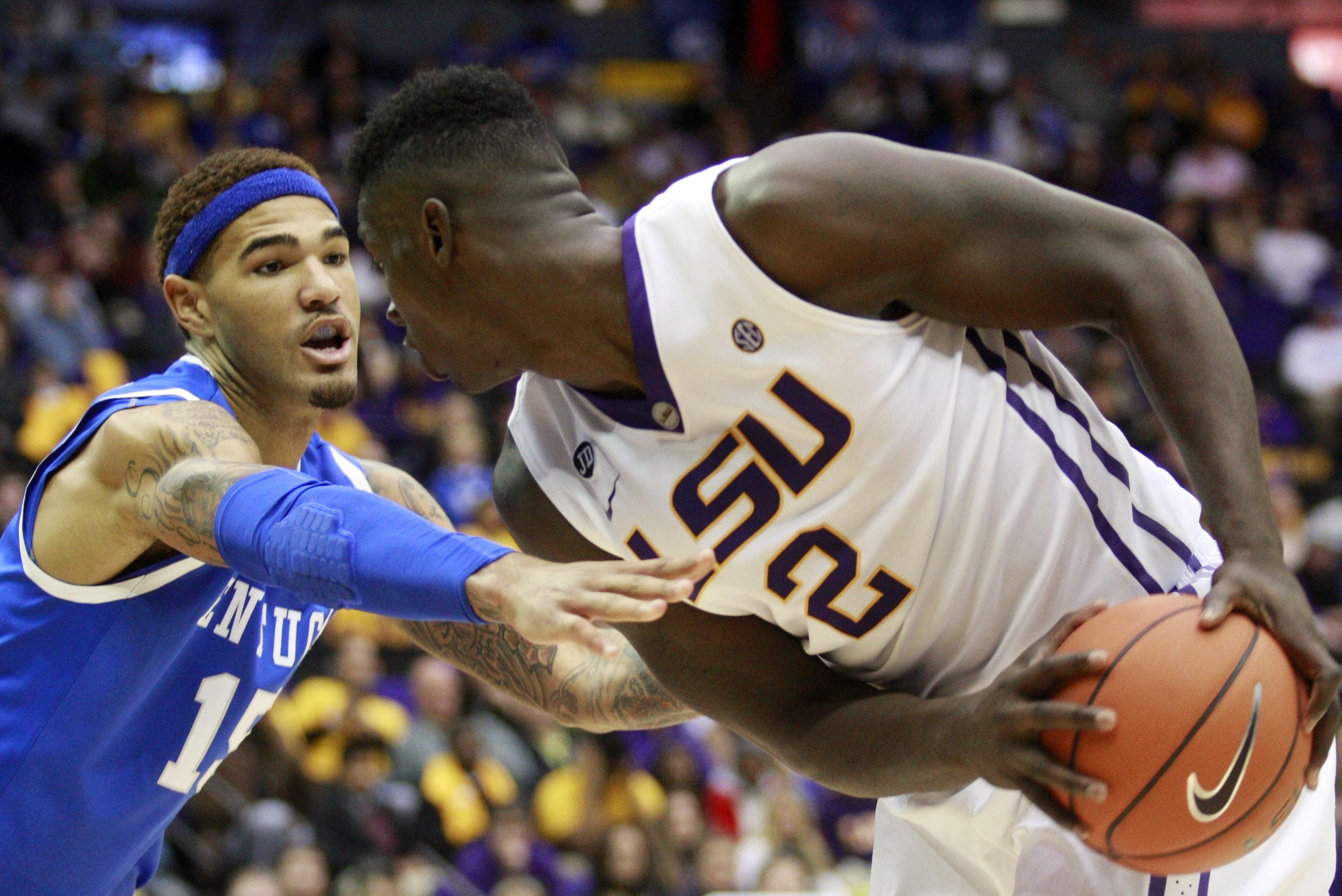
After getting pounded at LSU on Tuesday night, Kentucky basketball needs to take a long look at several problems, chief among them being the defense. Allowing the No. 145 field-goal offense in the country to shoot 50.8 percent from the floor is the kind of performance that would get the Wildcats bounced very quickly in postseason play.
For Kentucky to make any kind of respectable run in the NCAA tournament, John Calipari’s squad must improve at containing opposing scorers. Strange as it may sound, that effort needs to start by ignoring the best defensive player on the roster.
Willie Cauley-Stein is an incredible weapon as a defensive player, but Kentucky has come to rely too heavily on him to bail out everyone else on the roster. As such, when he gets in foul trouble or, as on Tuesday, hits a bad matchup—Johnny O’Bryant III torched him last year too—there’s no backup plan.
TOP NEWS

UNC Lands DeMarcus Henry
Early Men's NCAA Tournament Projections 🔮
Ohio State Falls Out Of Top 10 😱
“Backup” may turn out to be one of the key elements to the solution, too, specifically backup forward Alex Poythress. He’s not as adept at jumping passing lanes as his younger teammates, but the more experienced Poythress has developed into a much more reliable on-ball defender than starter James Young (and often even more than star Julius Randle).
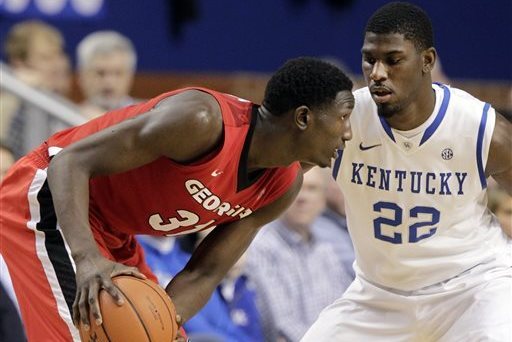
Even better, Poythress is one of the few ‘Cats who usually makes an impact on the defensive glass. Tuesday’s loss was a rare case of Kentucky struggling without getting pummeled by offensive rebounders. Still, giving extra minutes to a player who actually knows how to box out can’t hurt when the D is having trouble.
If a few of the Wildcats’ freshman wings want to follow Poythress’ example on the box-out front, it would be an even bigger improvement. Rebounding, though, isn’t the real issue on the perimeter.
The Harrison twins need to stop getting beaten off the dribble so easily. That’s a problem that has a two-pronged solution. The first, and hopefully easier, is mental: stay as focused on D as they do with the ball in their hands.
As much talent as the twins have shown, neither has adjusted well to the intensity of the college game. They bear the brunt of the responsibility for Kentucky’s recurring slow starts, and they’ve got to learn to play both hard and smart for 40 minutes.
However, there’s also an important strategic factor in play here. The Harrisons (and the rest of UK’s perimeter defenders) need to defend the drive first and force opponents to shoot over them.
Kentucky has three backcourt starters 6’6” or taller, an edge some NBA teams couldn’t match. By playing softer man-to-man on the outside, they’ll force more opponents to deal with that length as jump shooters rather than darting between the defenders off the dribble.
More jump shots by the other team will also cut down on the rampant fouls that sent the Tigers to the charity stripe 26 times on Tuesday. It’s not a bad idea to foul to prevent a layup, but it’s a much better plan to adjust your defense so that the layup never comes.
This late in the season, Kentucky won’t manage a complete overhaul of its suspect D. However, the more progress the ‘Cats make in revamping their approach on that end of the floor, the better their chances are of reminding postseason foes why they were the country's No. 1 team in the preseason.