
Scouting Reports, 2014 Predictions for the Dodgers' Pitchers and Catchers
The report date for Los Angeles Dodger pitchers and catchers is just a few short weeks away, so it’s time to take a look at what we expect from each of them. Keep in mind that the team’s massive payroll means that many of the major league roster spots are all but guaranteed, so there probably won’t be many surprises.
With that being said, though, there are always excellent and unexpected stories, so here’s a primer on each player who will report to Camelback Ranch in the middle of February.
Pedro Baez
1 of 27Petro Baez is a name to remember because he might make an appearance at some point in the middle of the season, but he’s not an impact player.
Per Dustin Nosler of Dodgers Digest, Baez is a mediocre pitcher in all respects. While his path to the mound resembles that of current Dodgers closer Kenley Jansen, our expectations shouldn’t be that high. Instead, we can probably expect to see him for a few innings in the middle of games in July as the season stretches on, but he won’t be an integral part of the bullpen.
Josh Beckett
2 of 27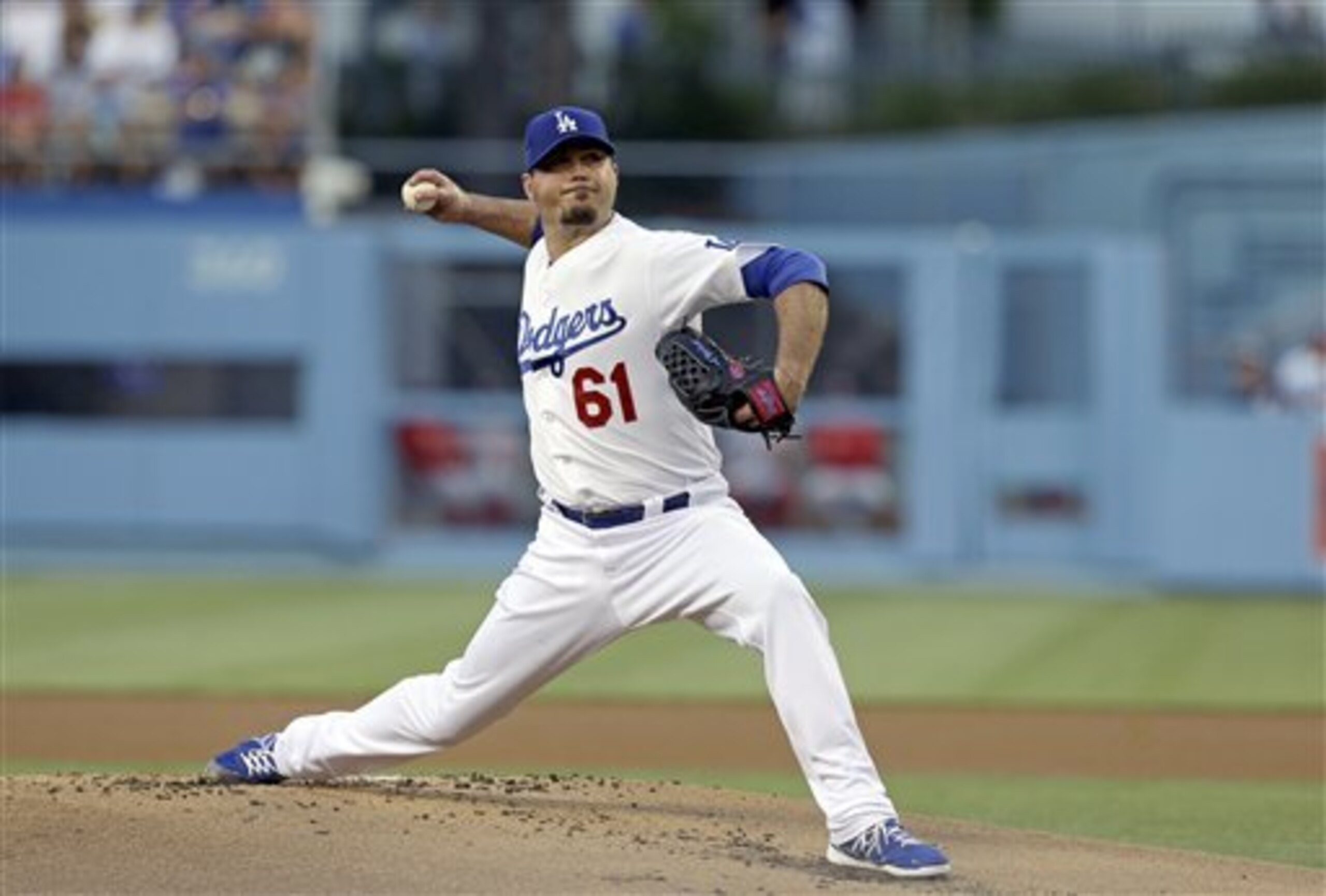
A massive unknown coming into the season, Beckett is a true wild card. He has seen legitimate success in his career: He was an above-average pitcher as recently as 2011, when he posted a 68 ERA-, which means his ERA was 32 percent better than average. Additionally, according to Dodgers.com’s Ken Gurnick, he should be ready for the beginning of spring training.
That qualification is necessary, though, because of the total uncertainty surrounding Beckett’s health. After hitting the DL with a problem that required surgery for thoracic outlet syndrome, he feared his career might be over. He has made a recovery, though, and he can likely still be a valuable member of the Dodger rotation.
Given his age (he’ll be 34 in May) and his recent injury history, expectations should be tempered. However, he was decent with the Dodgers after coming over from the Boston Red Sox in 2012—so there is some reason for optimism.
Expect him to make around 20 starts—after all, it’s unlikely he’ll be healthy all season—and post slightly above-average results during those outings. His velocity has remained around 91 mph, and his contract expires after this season, per Baseball-Reference.com, so he will want to prove he’s worth a gamble on for 2015.
Chad Billingsley
3 of 27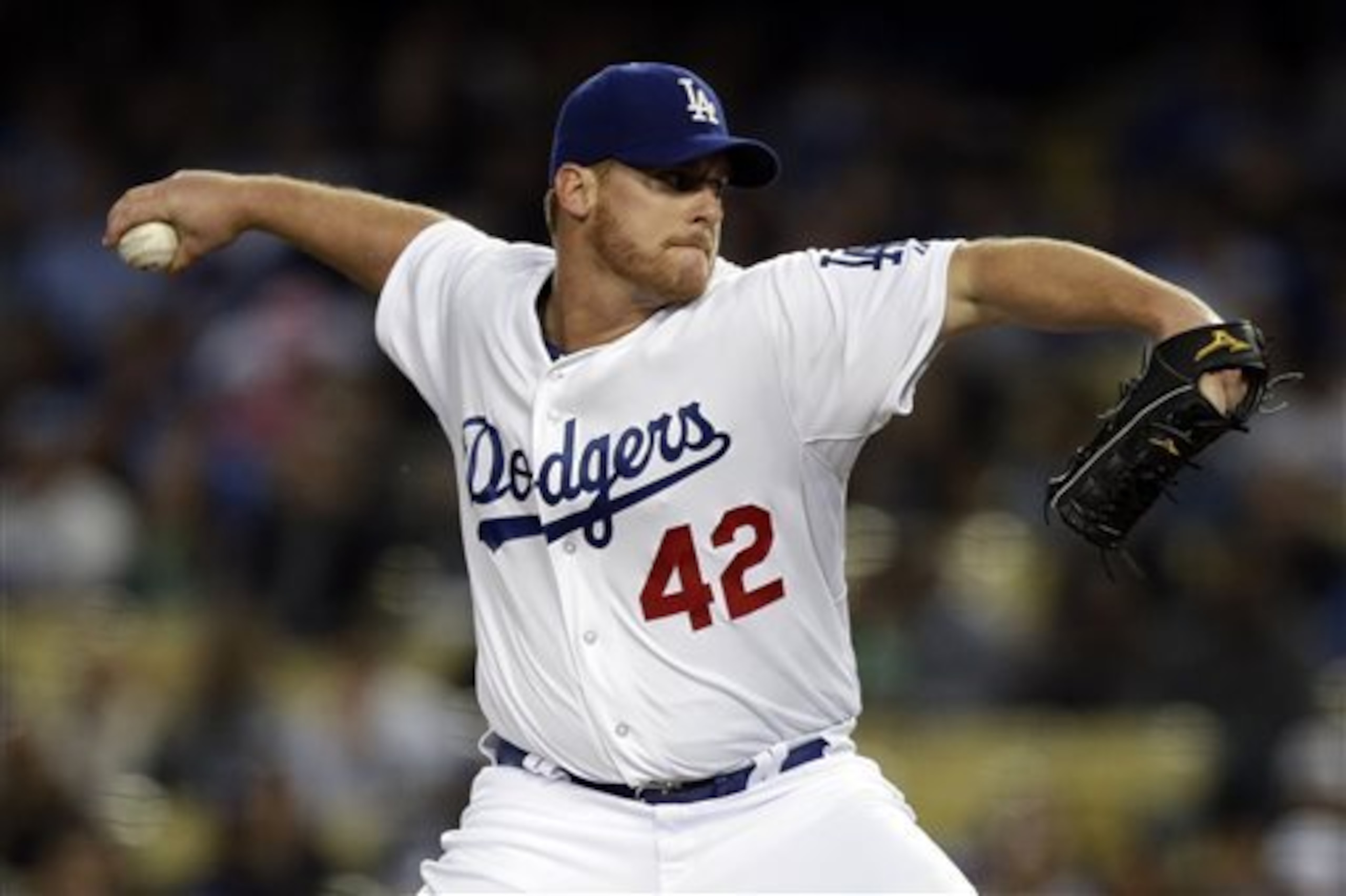
Like Beckett, Chad Billingsley is a wild card. He’s recovering from Tommy John surgery and is expected back by the All Star break, as mentioned in this article by Ken Gurnick of MLB.com, but history says that the Dodgers shouldn’t count on him.
First, there is a risk of re-injury. As the Arizona Diamondbacks have seen recently with Daniel Hudson, recovery from Tommy John is not a sure thing. And second, full recovery often takes up to 18 months, per Dr. Alfred Atanda of philly.com, so even if all goes well for Billingsley, he won’t be at his best until the start of the 2015 season.
So, even if he is back on the mound by June, it’s still probably asking too much for him to be a vital member of the rotation. Instead, expect the Dodgers to ease him back in, with mixed results.
He may demonstrate good strikeout numbers—he’s posted a strikeout percentage above league average in each of his full seasons—but he will probably walk even more batters than usual as control is usually one of the last parts of a pitcher’s game to return after Tommy John.


Jose Dominguez
4 of 27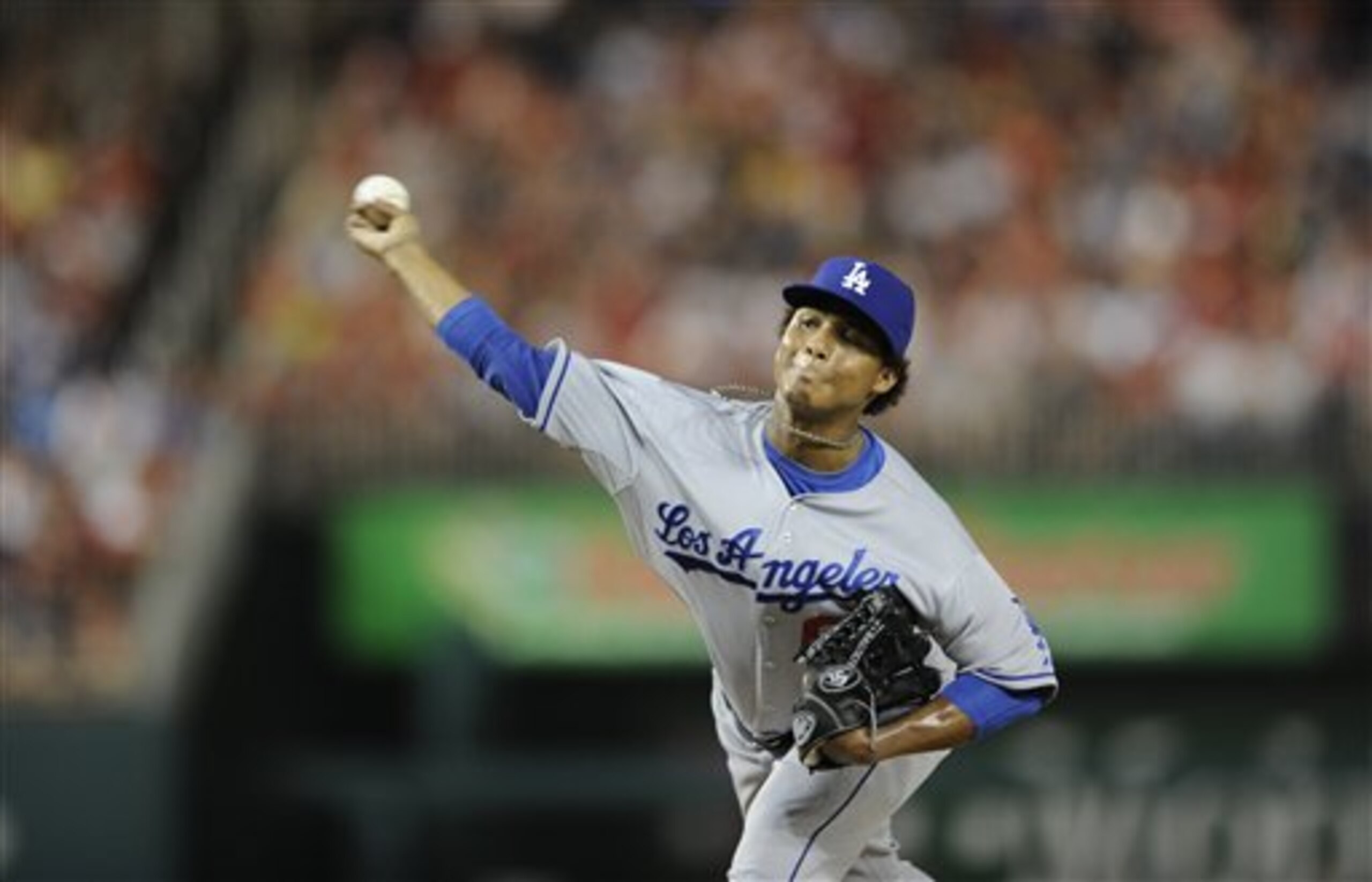
Jose Dominguez is an interesting arm out of the bullpen, but he’s unfortunately not likely to make an impact. He has incredible velocity on his fastball, but over his career he has proved incapable of harnessing it.
In each of his minor league seasons, he posted high walk rates; during his stint in the big leagues in 2013, he couldn’t strike anyone out (his strikeout percentage was just 10 percent).
He should miss more bats in 2014—his stuff is just that good—but he won’t be an effective reliever without showing some inclination that he knows how to pitch. And if his walk rate stays as high as it has been historically, then manager Don Mattingly will not be able to count on him in important situations.
Scott Elbert
5 of 27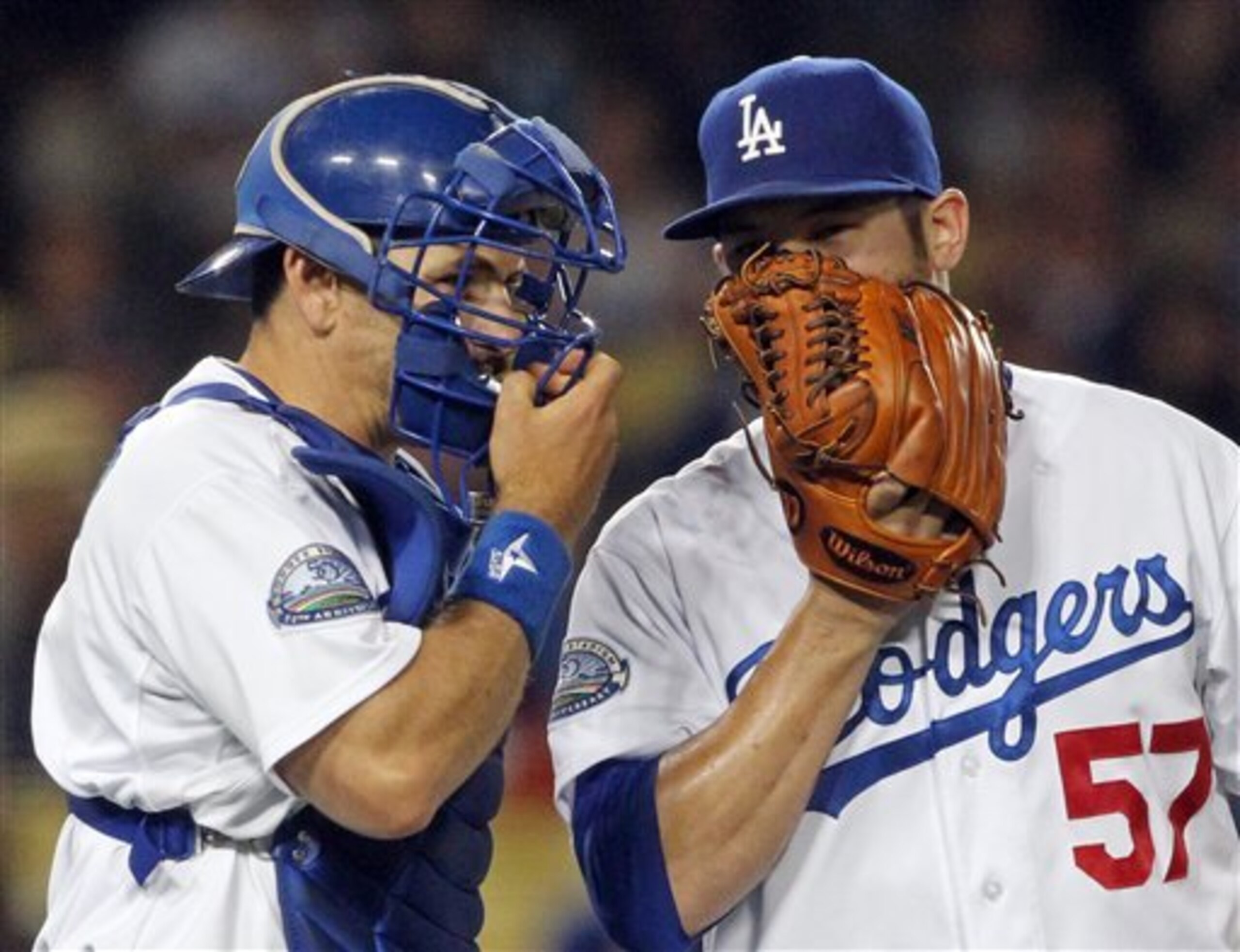
As noted in the “notes” section at the bottom of this piece by Beth Harris of the Arizona Daily Star, Scott Elbert is not expected back until midseason as he is recovering from Tommy John surgery.
He has always shown a proclivity for striking batters out, but he has never been able to stay on the field.
He has not appeared in the majors since 2012, and he’s only made 120 appearances even though his debut came in 2008. Therefore, even if he recovers on time from Tommy John (which isn’t a given if one takes into account his tendency to get hurt), we probably won’t see him on a big-league mound until September at the earliest.
Stephen Fife
6 of 27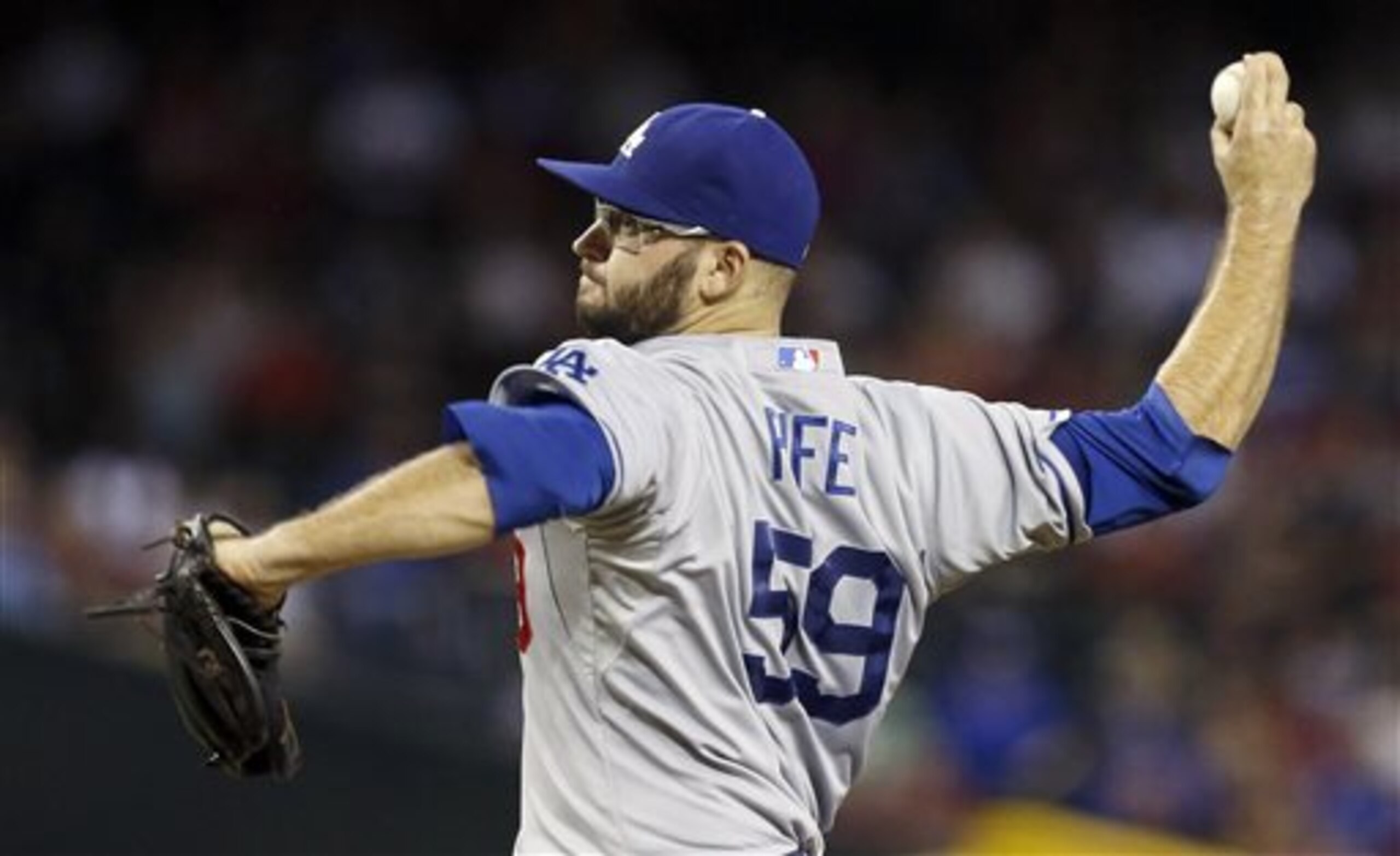
Stephen Fife’s 2014 will likely follow the same path as his previous seasons with the Dodgers. He is a decent pitcher who has seen some success in the big leagues (career 3.39 ERA in 17 appearances, 15 starts), despite not having great stuff (career 17.4 strikeout percentage) or control (career 8.6 walk percentage).
His major league performance has been better than his performance at the high minors, which is always a warning sign that perhaps the pitcher has been succeeding at an unrepeatable rate.
The real problem for Fife, though, is the addition of Dan Haren. Haren will be the fourth starter behind Clayton Kershaw, Zack Greinke and Hyun-jin Ryu. Fife will be well and back on the depth chart for any potential fifth-starter opportunities. After all, we would expect highly paid Josh Beckett to start ahead of Fife, and big-league veteran Chad Billingsley will hopefully return at some point in June or July.
Onelki Garcia
7 of 27
A hard-throwing lefty, Onelki Garcia will probably come out of the major league bullpen in 2014. His career in the minors was quite impressive, as he posted a 2.81 ERA and struck out over a batter per inning. In an entirely unsurprising development, he struggled with his control, which is what forced him to the bullpen in the first place.
He made his big-league debut in 2013, and while the plan is for the Dodgers' bullpen to be filled with veteran arms, pitchers get hurt or struggle. And so while Garcia will probably begin the season in Triple-A, he should get called up sometime around midseason if he continues his stellar performance.
We shouldn’t be too excited; he is, after all, still just a reliever. But he has the chance to be an electric arm that the Dodgers will hopefully be able to rely upon in medium-leverage situations.
Yimi Garcia
8 of 27Yimi Garcia was a recent addition to the 40-man roster (as mentioned here, per Ken Gurnick of MLB.com), and he deserved it after his excellent 2013. He was the closer for Double-A Chattanooga, and he posted a 2.54 ERA while striking out an incredible 12.7 batters per nine innings. In addition, he walked only 2.1 per nine, which was good for a 6.07 strikeout-to-walk rate.
In the recently released Dodgers farm-system report from Baseball Prospectus (subscription required), the BP Prospect Team mentioned that it expects Garcia to “make a major-league contribution at some point in 2014, most likely in middle relief.”
This seems to be a reasonable expectation, as bullpens fluctuate, and arms are called up all the time. Given his previous success, though, I actually expect Garcia to be reasonably successful—not to the level of his minor league work, of course—and for him to be given an opportunity to stick around for much of the season.
Zack Greinke
9 of 27
For a 30-year-old with an established track record of success, Zack Greinke is still a shocking anomaly at times. He has a Cy Young on his mantle, he finished fifth in the majors in ERA in 2013, and yet he has some subpar seasons on his resume: a 4.17 ERA in 2010, 3.83 in 2011 and a history of underperforming his FIP.
FIP, or Fielding-Independent Pitching, is a measure of a pitcher’s success based on his walk rate, strikeout rate and home run rate. The idea is that pitchers have basically no control over balls in play, so FIP endeavors to measure a pitcher’s true talent level. However, Greinke is one of a few pitchers whose career ERA has not regressed back to his FIP.
There are several theories about this, and the most prominent is that he struggles to pitch from the stretch. This is indeed backed up by some numbers: In 2010 and 2011, his left-on-base percentage was significantly worse than league average. However, that reversed itself in the past two years, so those may have been random variance.
Regardless of explanation, the idea persists, as evidenced here in an NESN article, that Greinke may not have the mental fortitude to be an elite pitcher. This is foolish, though.
Expect a big year from Greinke in 2014. He was excellent in 2013, and he will still be pitching in Dodger Stadium—a pitcher’s park, per ParkFactors.com. While he probably won’t be quite as elite as he was last season (his strikeouts did tick down), he is still one of baseball’s most talented pitchers and a deserving No. 2 in the Dodgers rotation.
Javy Guerra
10 of 27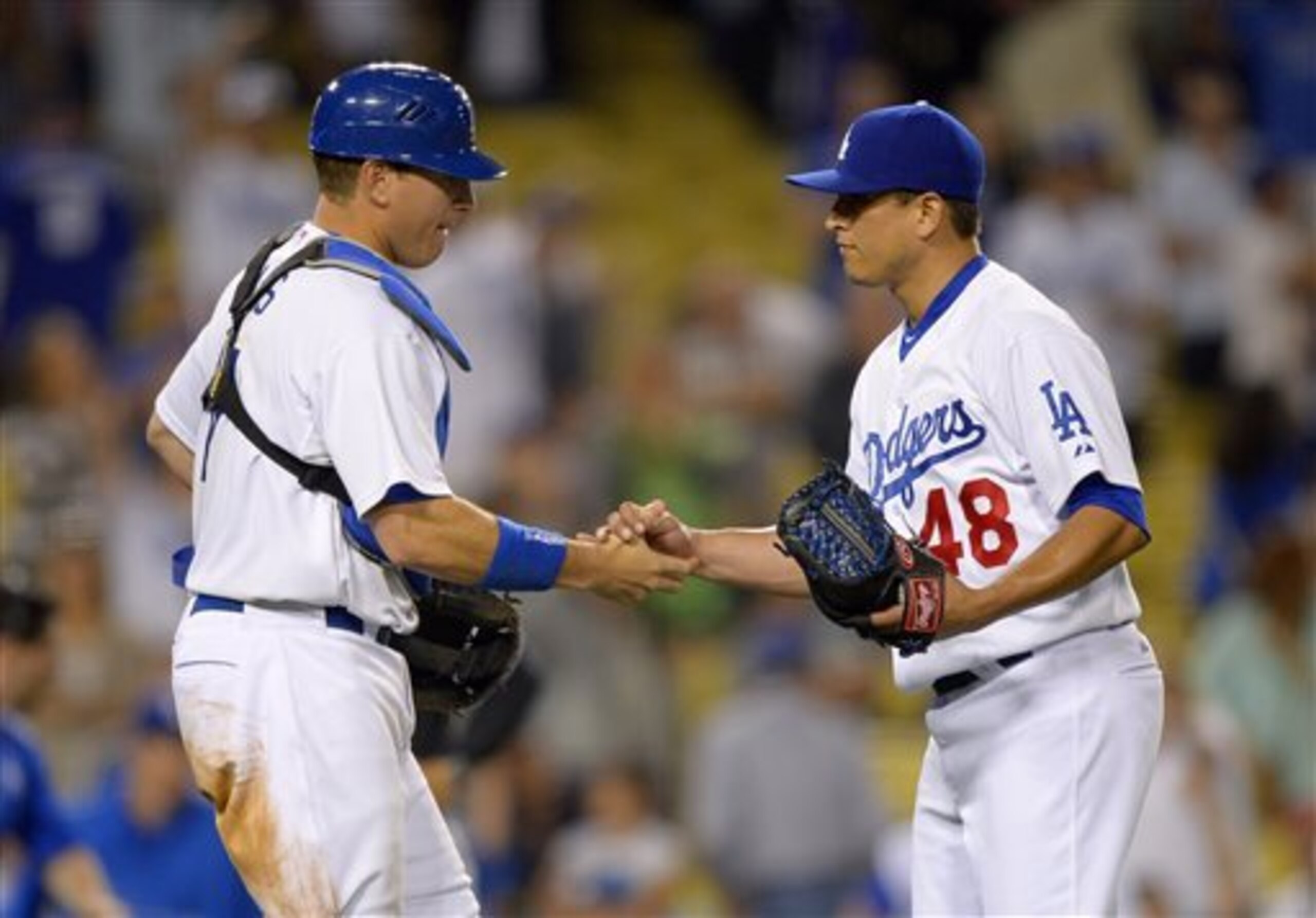
How the mighty have fallen. Javy Guerra was the Dodgers' closer to begin 2012, and now he may not even pitch in the big leagues.
Weirdly, he hasn’t been consistently terrible; however, his uncontrolled streak of awfulness in the middle of 2012 cost him his job, and he didn’t see the late game much at all after the May 7 decision to remove him from the closer role.
And with the high-profile arms currently in line to be in the Opening Day bullpen, per MLBDepthCharts.com, it’s difficult to see a path for Guerra to even reach the big leagues without major injuries in front of him.
Dan Haren
11 of 27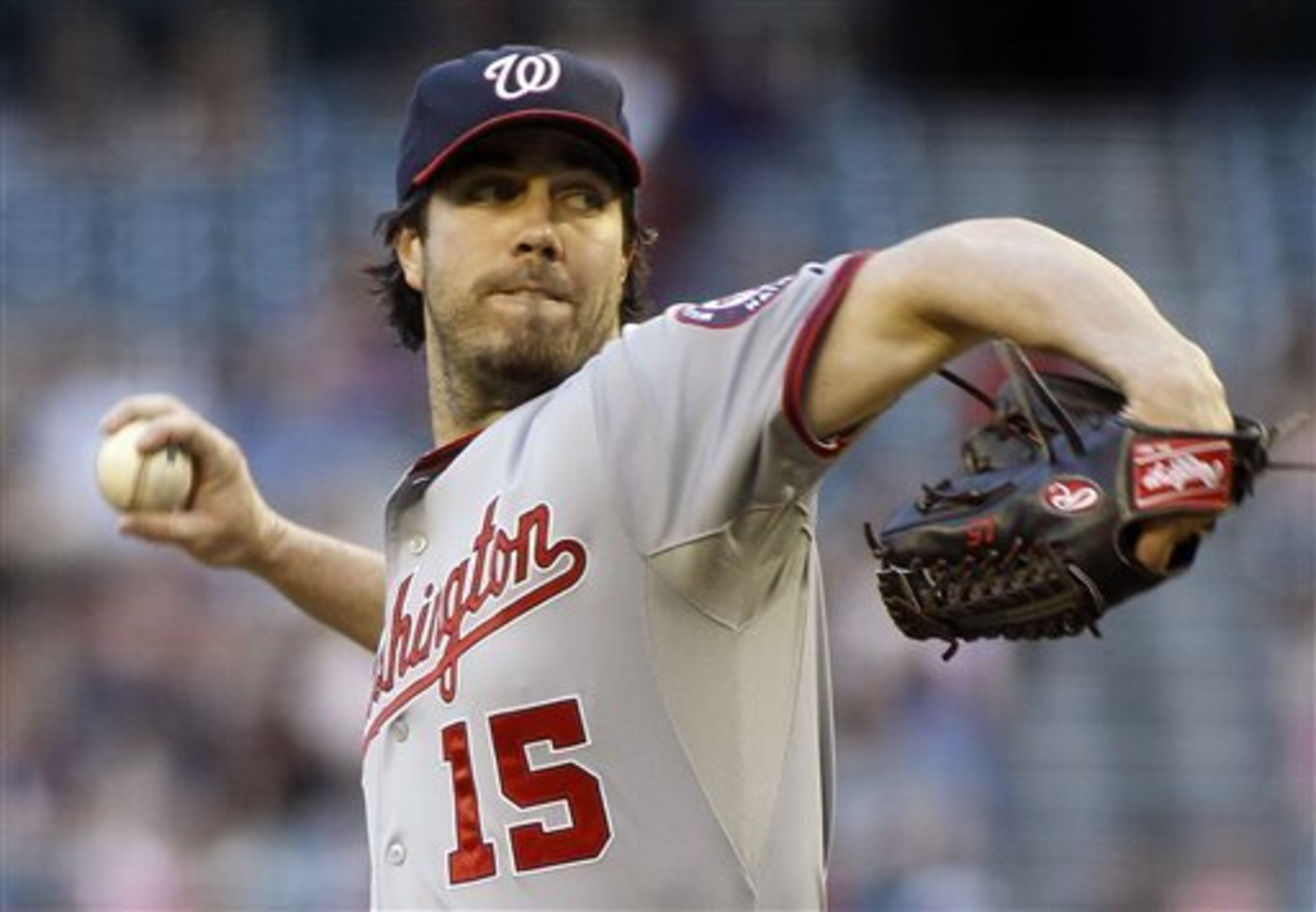
As we all know, injuries are difficult to predict. For instance, Dan Haren threw at least 216.0 innings each year from 2005-2011. Then, suddenly, he suffered back and shoulder problems each of the past two years and hit the DL for the first times in his career (injury information here, courtesy of Baseball Prospectus).
Distressingly for the Dodgers, though, his performance also suffered during the injury-riddled seasons. 2012 and 2013 were the first two times he posted an ERA- above 100 (worse than league average) in any full season of his career.
But there are silver linings: His strikeout and walk percentages for each of those seasons were actually slightly better than his career levels. The only significant difference is his home run rate—which could be bad luck, or it could be a sign that he’s losing his stuff.
Given the recent history, it’s probably best to expect about 170 innings from Haren in 2014. But he may actually outperform his recent numbers, as his outings after he returned from the DL last year were actually quite good. A safe projection for Haren is roughly league-average performance in those innings, and the Dodgers would surely take that given that he is only the fourth- or fifth-best starter on the team.
J.P. Howell
12 of 27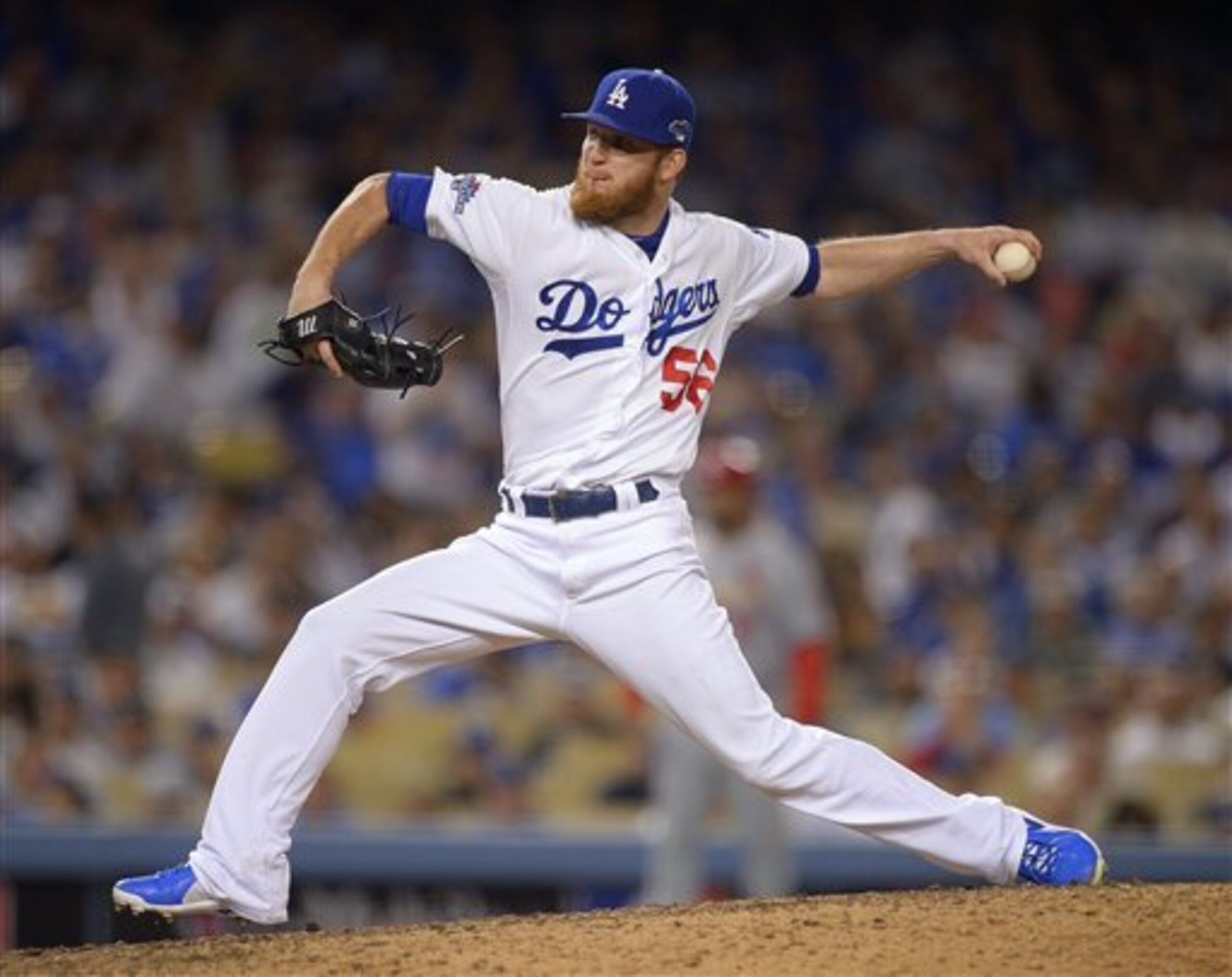
J.P. Howell re-signed with the Dodgers following a stellar 2013, and he should continue to be a vital member of the Dodgers' bullpen.
He is used against both righties and lefties, which makes sense—for his career, he is absolutely fantastic against lefties, but he can still get righties out at a respectable rate. Unfortunately, though, despite his elite performance last season, he probably isn’t quite that good. After all, he posted a hilariously low home run rate, which will probably regress back toward his career norms.
That’s acceptable, though, because even his career performance suggests that he is an above-average pitcher. And given the right-handed power arms the Dodgers feature, Howell should only be counted on against lefties—a role in which he can excel.
Kenley Jansen
13 of 27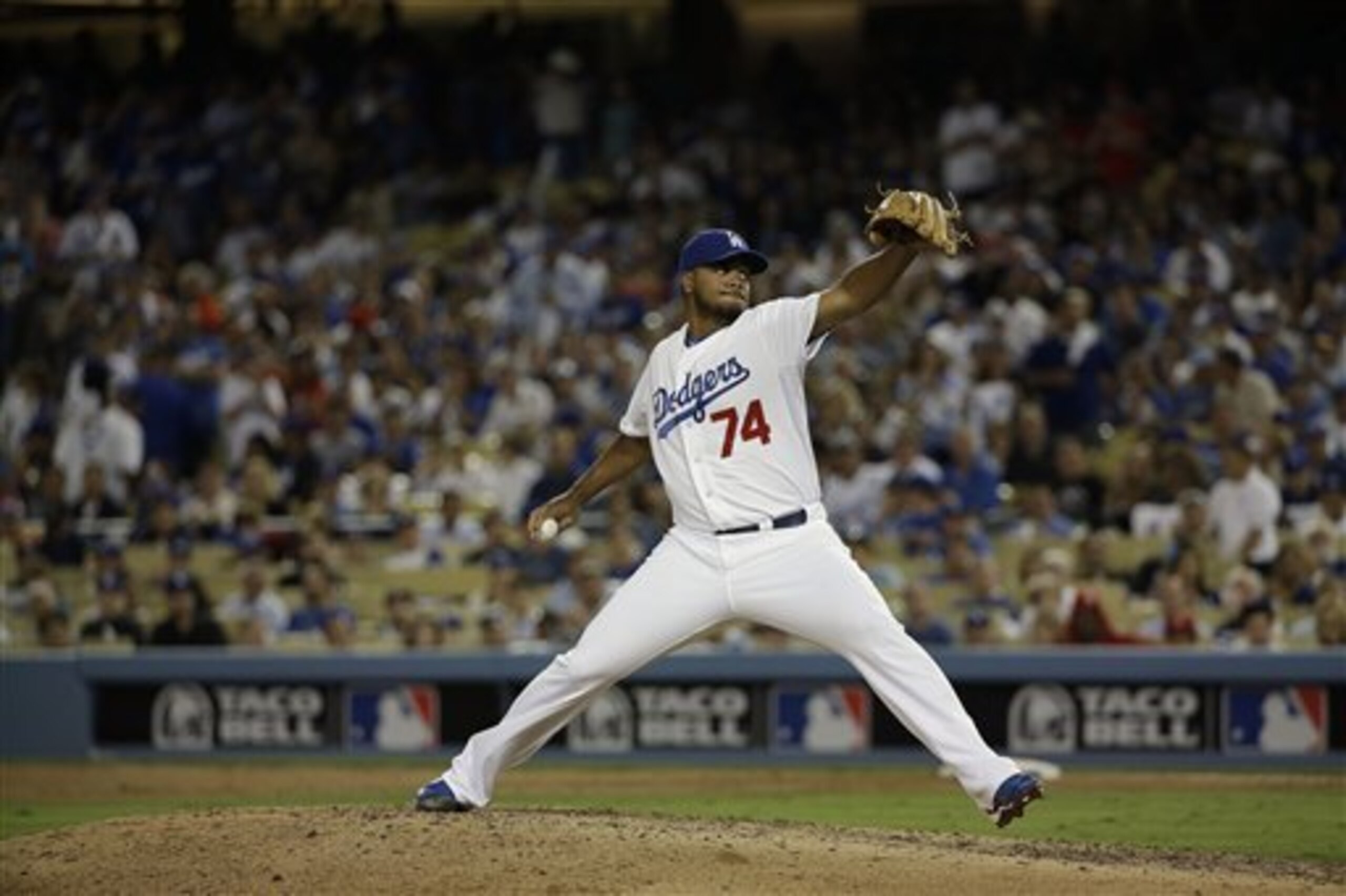
Kenley Jansen is the Dodgers' closer, and he is one of the best relievers in all of baseball. He is a strikeout machine who also has very good control and subsequently ranked among the leaders in strikeout-to-walk rate.
He is primarily a one-pitch pitcher (cutter), but that pitch is one of the best in all of baseball. As long as he remains healthy, he should continue to be at the top of his profession. He is one of the game’s truly outstanding relievers, and his ability to dominate allows the Dodgers to shorten the game.
Clayton Kershaw
14 of 27
Although I’m running the risk of being cliché here, there’s nothing I can really say about Clayton Kershaw that hasn’t already been said. Instead, I will simply lay out facts—most of which are already public knowledge.
He has won two of the last three NL Cy Young Awards; in his year off, he finished second. He won the ERA title each of the past three years. Since 2010, he ranks second in raw strikeout total; he also ranks 17th in strikeout-to-walk rate.
It’s obviously absurd to suggest that Kershaw will win another Cy Young Award—but it has to be considered within the realm of possibility. At just 26 years of age, Kershaw is certainly young enough to continue this dominance for years to come. Expect him to anchor the Dodgers' rotation and provide them with a legitimate ace for yet another season.
Brandon League
15 of 27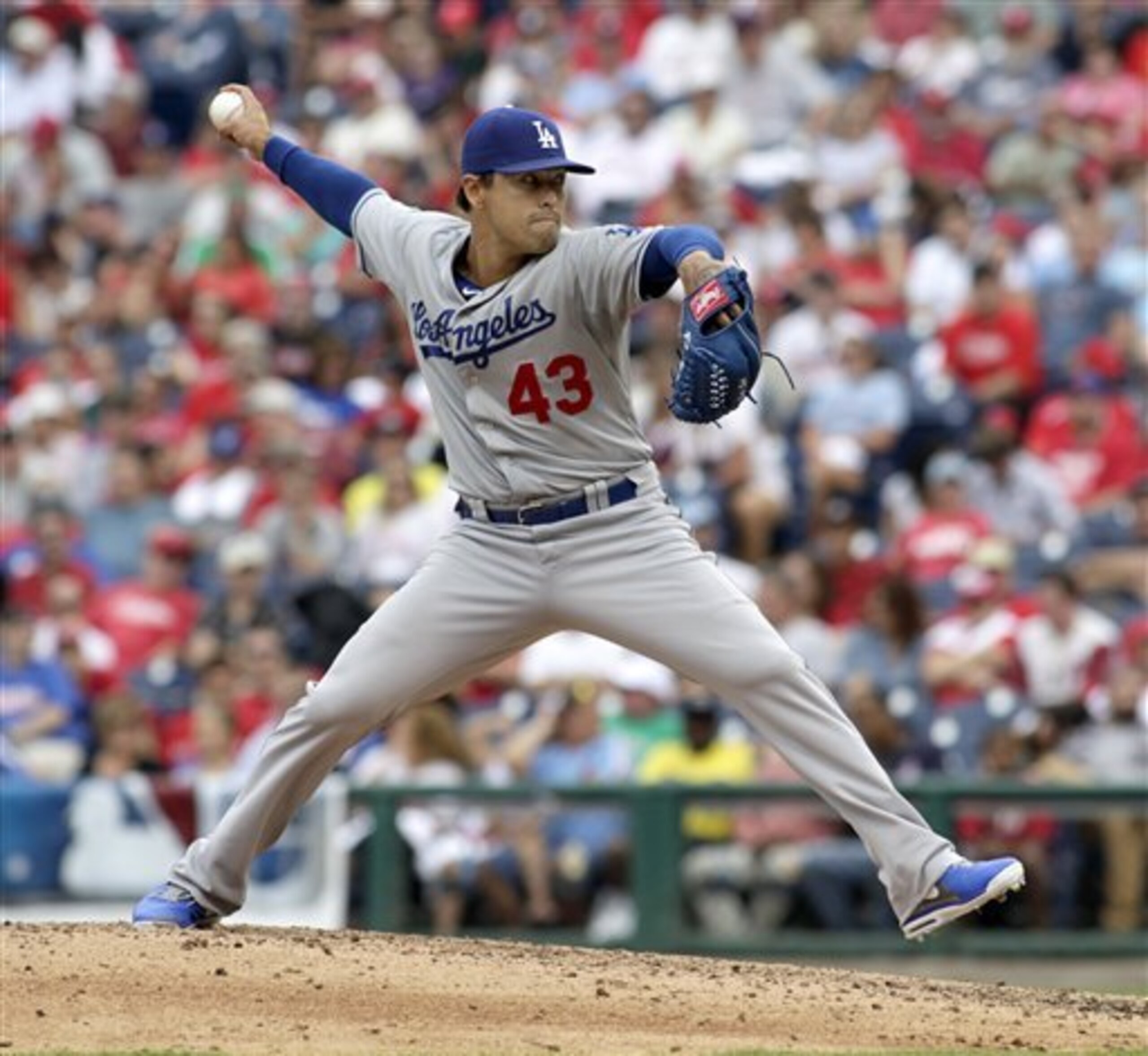
Brandon League is an interesting case, as he was pilloried for his horrible performance as the Dodgers' closer (and justifiably so: His ERA in save situations was 5.95 according to Baseball Reference). However, he was much better in the second half, with an ERA of 3.97.
While this isn’t good, it’s at least closer to respectable than his overall numbers suggest. There’s hope, though, which is what the Dodgers will assuredly hang their hat on.
He has never been a strikeout artist (his career rate is just 16.9 percent), but last year was horrendously bad even for his standards. His strikeout percentage of 11.2 percent was lowest among all relievers with at least 50 innings pitched. This went hand in hand with a sharp rise in home run rate; he posted a career-high 14.3 percent.
Assuming that these indicators were examples of random variance—a fair assumption given the small sample size that relievers must perform in—allows us to hope that League will pitch much better in 2014. Of course, there’s always the caveat that he may have simply lost it.
In the end, though, I believe he will be significantly more effective in 2014 than he was in 2013.
Matt Magill
16 of 27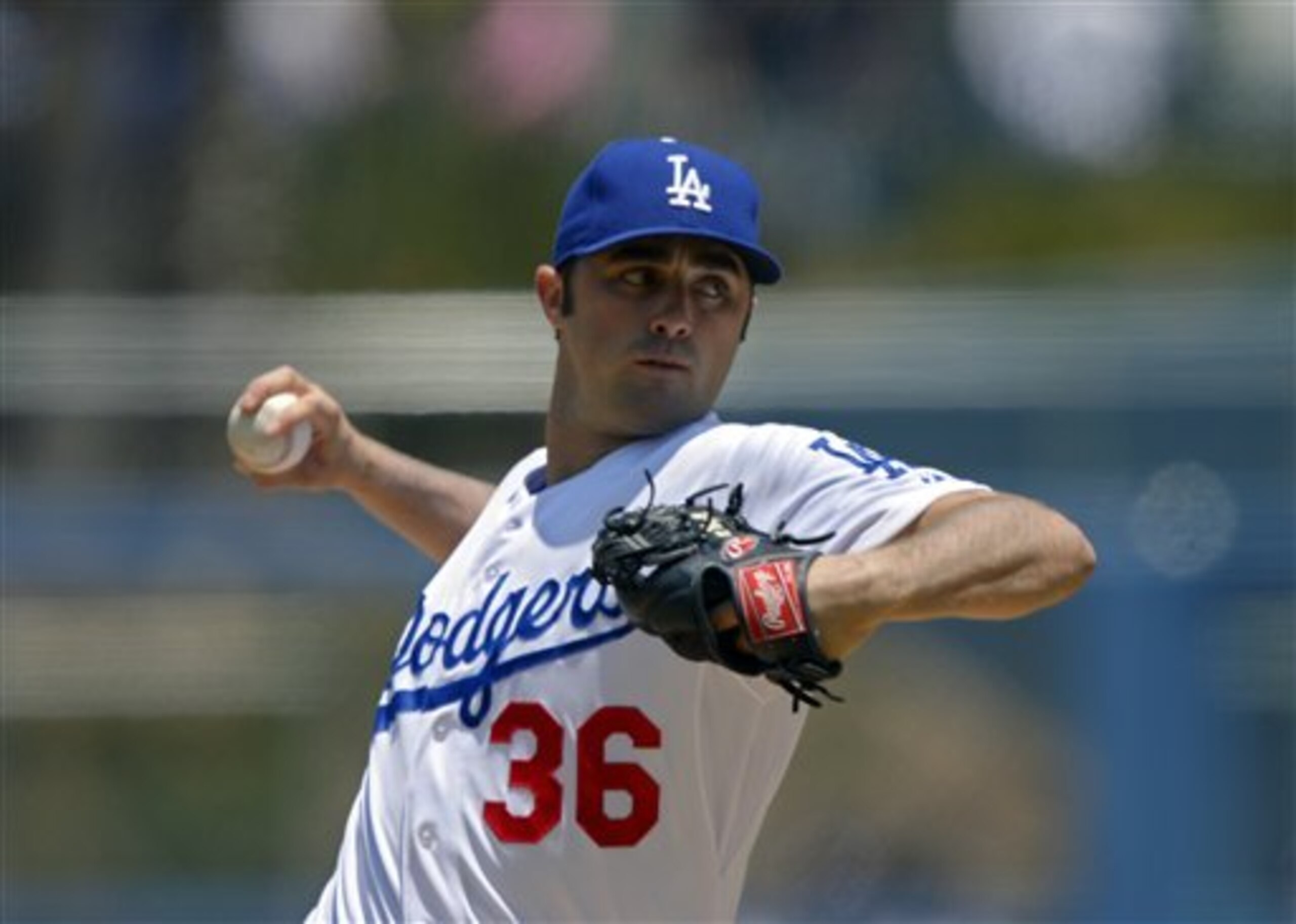
Matt Magill is still a young guy, but we probably won’t see much of him in 2014 until there are some injuries. With the first four spots in the rotation set (Kershaw, Greinke, Ryu, Haren) and the fifth spot likely occupied by Beckett (assuming health), Magill will begin the season in Triple-A.
If a rotation member goes down early in the season, we could see Magill (it would be either him or Fife). If it happens after the midway point, Chad Billingsley and/or Zach Lee will likely jump the pecking order and get the first call-up.
Should we see Magill, though, it’s important to know what to expect. He disappointed in 2013, with a 6.51 ERA in six starts, but he is still just 24.
In the 2013 preview of the Dodgers' farm system, Baseball Prospectus’ Jason Parks said that he was likely a future back-of-the-rotation starter. This still seems reasonable, and as Magill continues to develop in the minors, we could see an improved version of him during his inevitable return to Los Angeles.
Jarret Martin
17 of 27Jarrett Martin was added to the Dodgers’ 40-man roster to protect him from the Rule 5 draft, but he isn’t exactly much of a prospect. His career minor league ERA is 4.55, and although he has demonstrated some strikeout ability (career 9.1 per nine innings), he lacks any idea of where his pitches are going (career 5.8 walks per nine innings).
If we see him in the majors in 2014, it would be a huge upset; he is still a ways away from contributing. One of the only reasons to be optimistic is that the Dodgers clearly thought enough of him to add him to the roster to keep him in their organization.
Chris Perez
18 of 27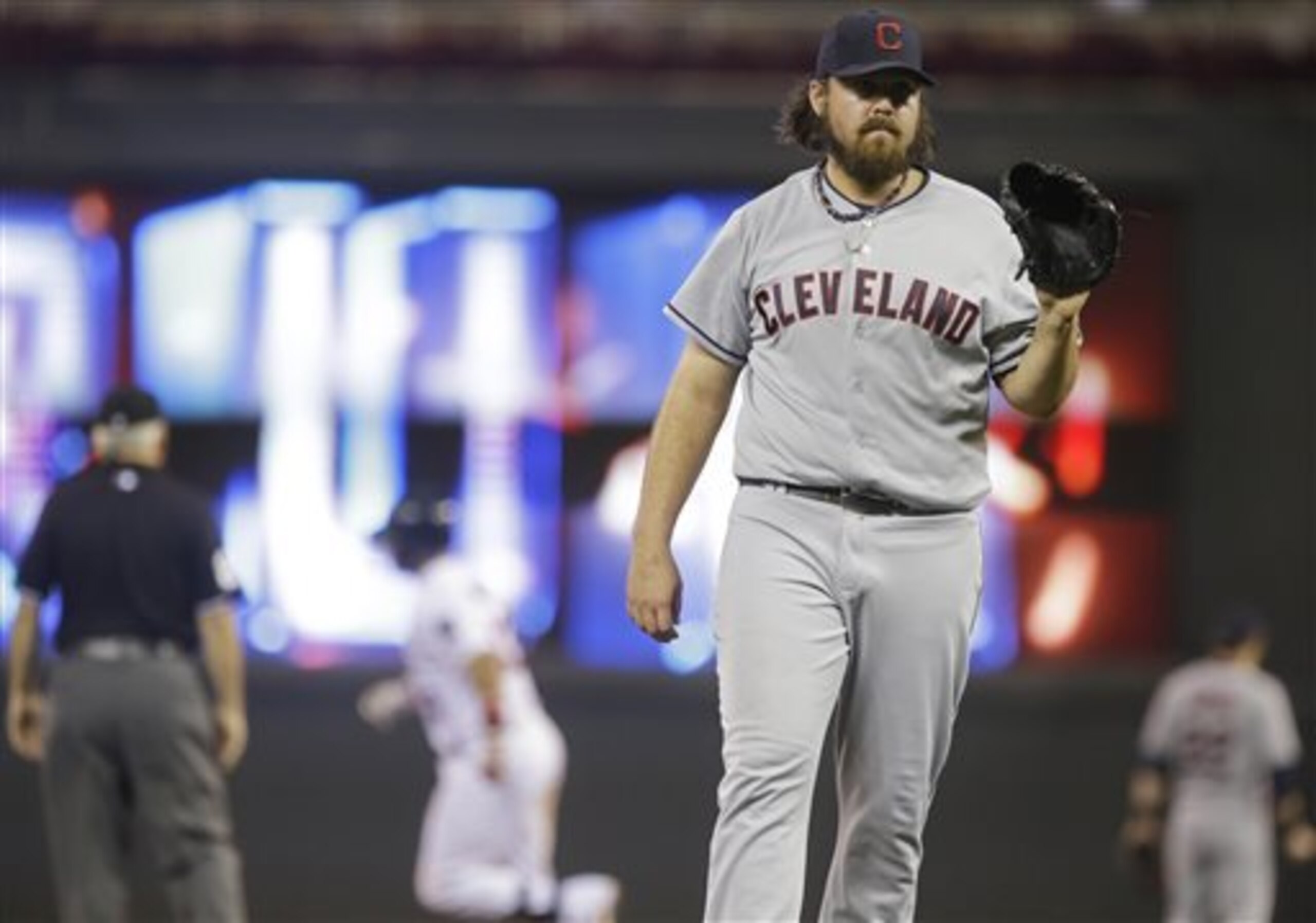
A high-profile addition to the Dodgers' bullpen, Chris Perez brings a closer’s pedigree. Unfortunately, he brings a bad closer’s pedigree.
He had one elite season: 2010, when he had an ERA of 1.71. Since then, though, he’s been a mediocre pitcher who racked up saves because he kept getting opportunities that he probably didn’t necessarily deserve.
As he’s gotten older, his fastball velocity has decreased. While this is not shocking, it is a warning sign that pitchers need to actually learn how to pitch. However, we see no indication of this from Perez: Despite a declining walk rate, his 8.6 mark last year was still worse than league average.
So what we can conclude is that Perez no longer has elite stuff but still cannot consistently throw strikes. He’s a fine option in the middle innings, but I worry that his background will lead Mattingly to rely on him more than he should.
If that happens, expect disastrous results. Regardless, Perez will probably be at least a league-average pitcher—which isn’t acceptable given the short outings that relievers throw and the opportunity cost of using Perez; Chris Withrow, who is a better and cheaper option, will likely be forced to the minors.
Paco Rodriguez
19 of 27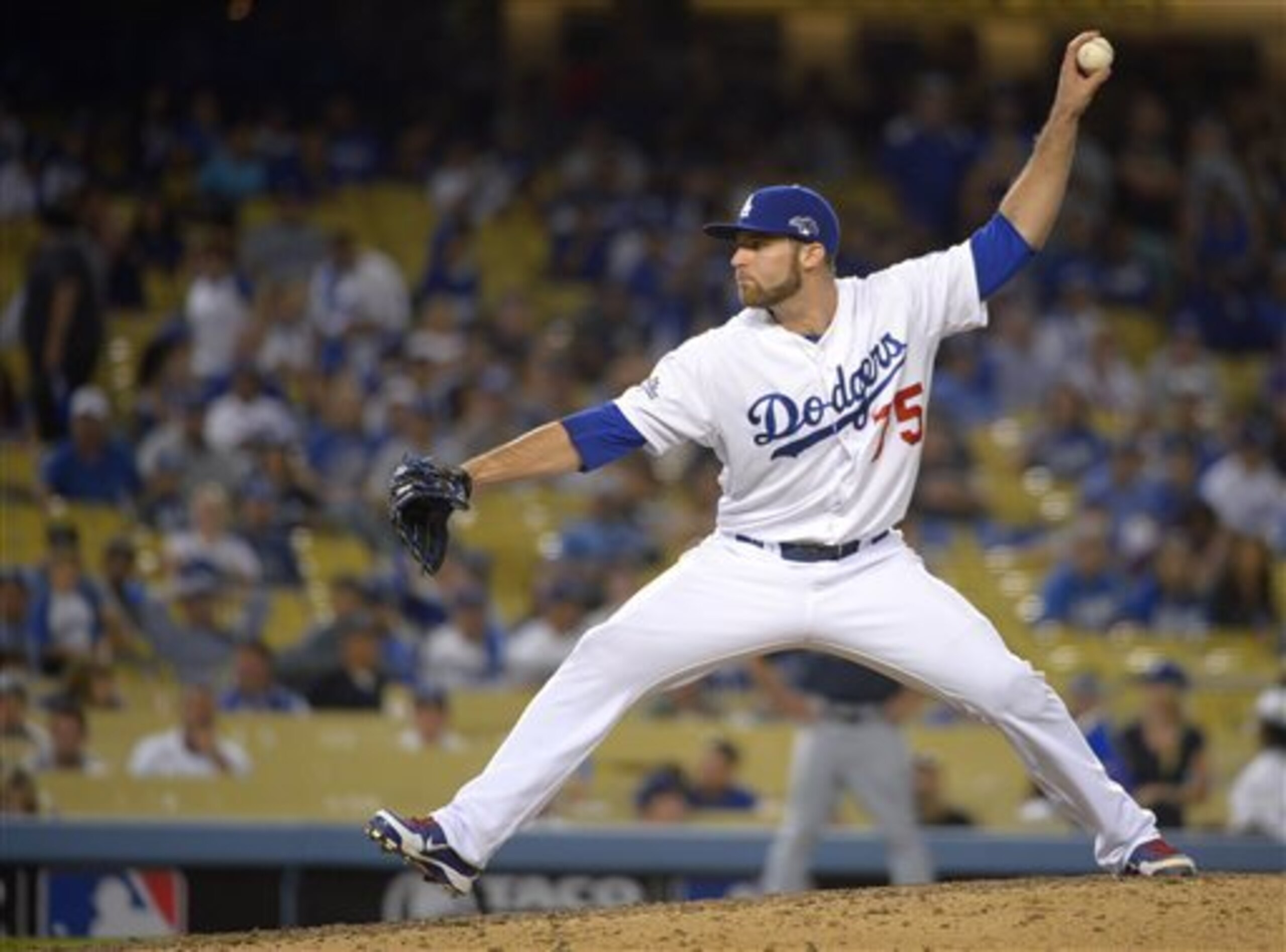
In what is beginning to seem like a common theme amongst the Dodgers' relievers, questions surround Paco Rodriguez. Despite overall solid numbers last year—2.32 ERA in 76 games—he struggled down the stretch, to the tune of a 5.68 ERA in September and a 27.00 ERA in the postseason.
I always tend to believe that small-sample-size errors are just that: small sample size. Performance over the long haul is more predictive than what happens in just a few innings. However, Rodriguez’s results from the end of the season were likely due to exhaustion: He tied for fifth in the majors in appearances for relief pitchers.
So the question for Paco is whether or not the exhaustion was solved by the long break he’s had during the offseason. I expect him to be healthy and rested for 2014.
As for his actual performance, though, there are also questions in that regard. At this point, we’re still not sure what his actual true talent level is. If he truly is what he’s demonstrated for his career, then he is a dynamite left-handed reliever. And given his pedigree (he was a second-round pick) and the fact that we don’t exactly have evidence to the contrary, I think it’s reasonable to expect something similar to what he did last year.
Seth Rosin
20 of 27Seth Rosin was the Dodgers’ Rule 5 selection this year, which means that he has to stick with the Dodgers all season or he will be offered back to the Philadelphia Phillies.
He’s struggled overall in his career, with a career 4.00 ERA in 108 minor league appearances. Over the past couple years, he’s both started and relieved—although he basically has to be a reliever given the projected depth of their rotation on Opening Day.
Dodgers fans should not be too optimistic about Rosin. Jeff Moore of Baseball Prospectus (subscription required) describes Rosin thusly:
Scouting Report: Large but not all that in-charge. Throws a ton of strikes with an average fastball and below-average secondary offerings.
Given the above report, I do not expect Rosin to be around all season. In fact, despite his Rule 5 status, don’t be surprised if he doesn’t even make the team out of spring training.
Hyun-Jin Ryu
21 of 27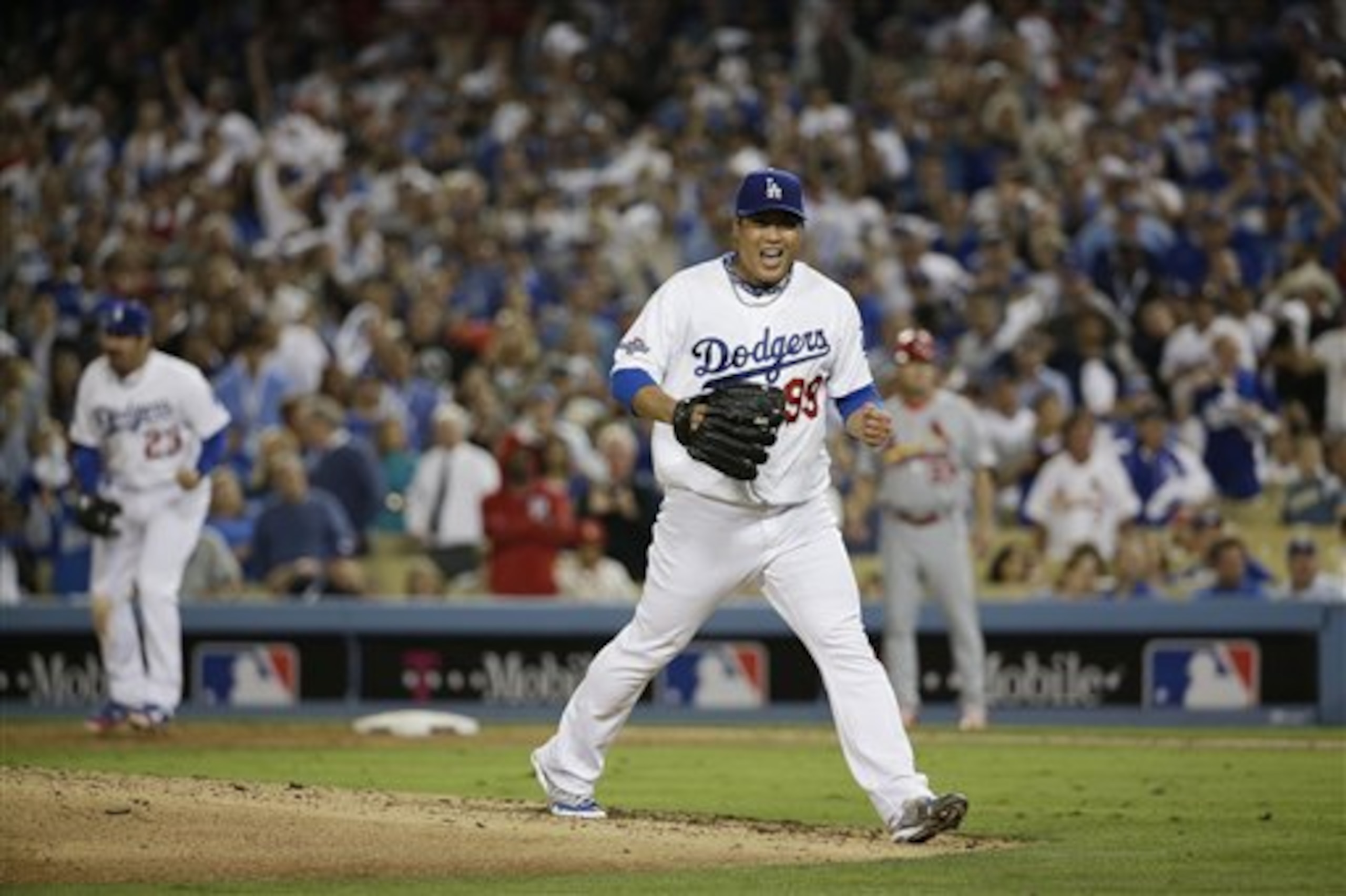
The third member of the elite part of the Dodgers' rotation, Hyun-Jin Ryu surprised in his first season outside of Korea. He was excellent, with a 3.00 ERA and a FIP not much higher than that.
His major strength is his command. He posted an average strikeout rate, but his 6.3 walk rate was far better than the 7.9 percent league average. Additional examinations of his numbers are encouraging—neither his BABIP (batting average on balls in play) nor his home run-to-fly ball ratio is shockingly low.
Right-handed hitters in particular struggle against him, as he can use his fantastic changeup to neutralize opposite-handed bats. Expect him to continue the excellent start to his career, albeit with minor regression as the league continues to adjust to him. Regardless, though, he should be a high-end third starter.
Brian Wilson
22 of 27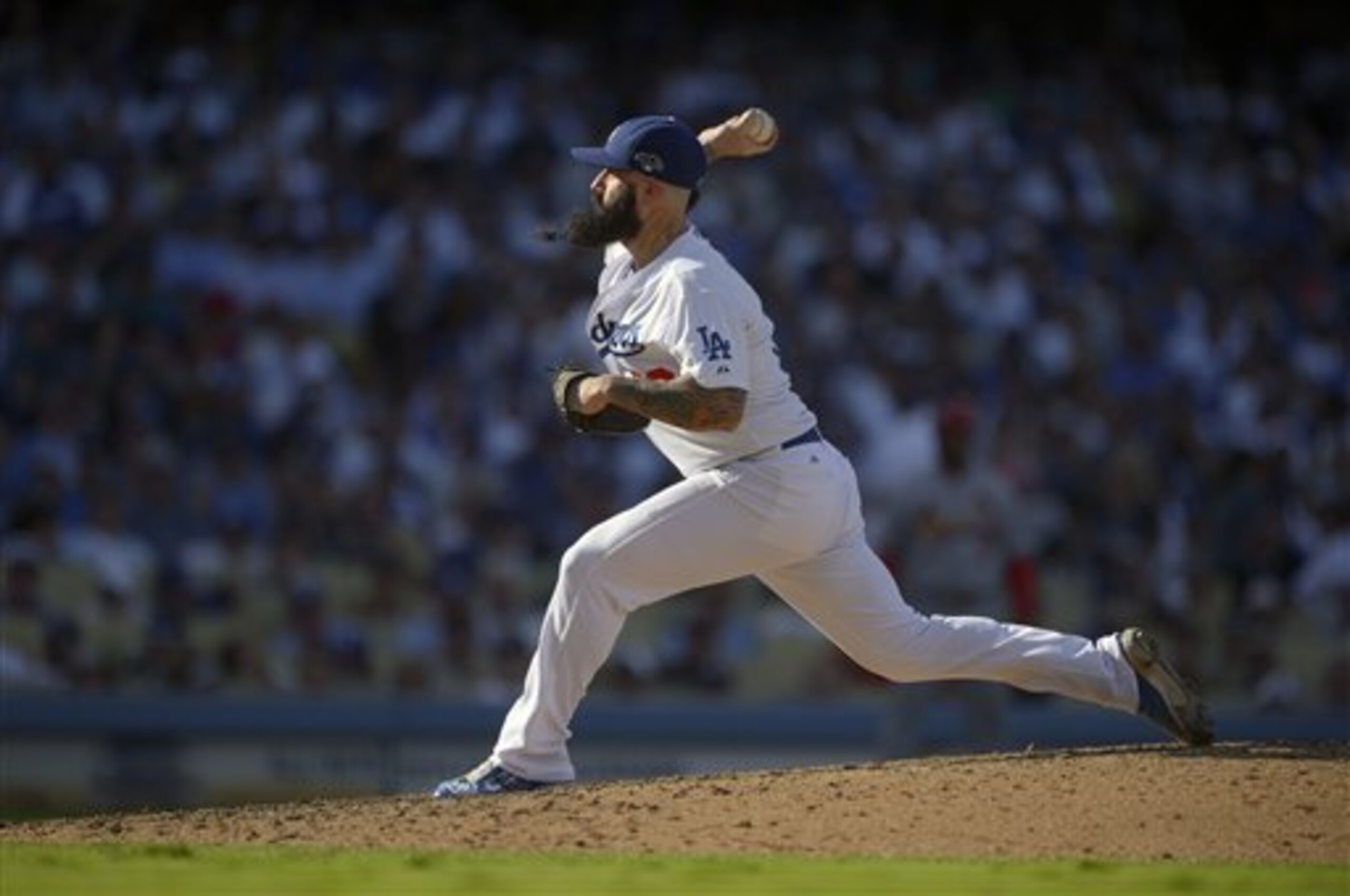
Brian Wilson’s comeback from Tommy John last year was remarkable: He returned late in August to post a 0.66 ERA in 18 games and be a stunningly valuable member of the Dodgers' bullpen in October.
GM Ned Colletti gambled that Wilson would continue to be that setup man in front of Kenley Jansen—he was rewarded with a $10 million contract for the upcoming season.
Expect that investment to pay off. Since 2009, Wilson has a 2.44 ERA in 217.2 innings. In essence, whenever he is able to get on the mound, he has performed well. The question, then, is health; obviously, continued health after two Tommy John surgeries is no sure thing. But as long as he can stay healthy, he should be an excellent eighth-inning option (and backup closer when Jansen needs the night off).
Chris Withrow
23 of 27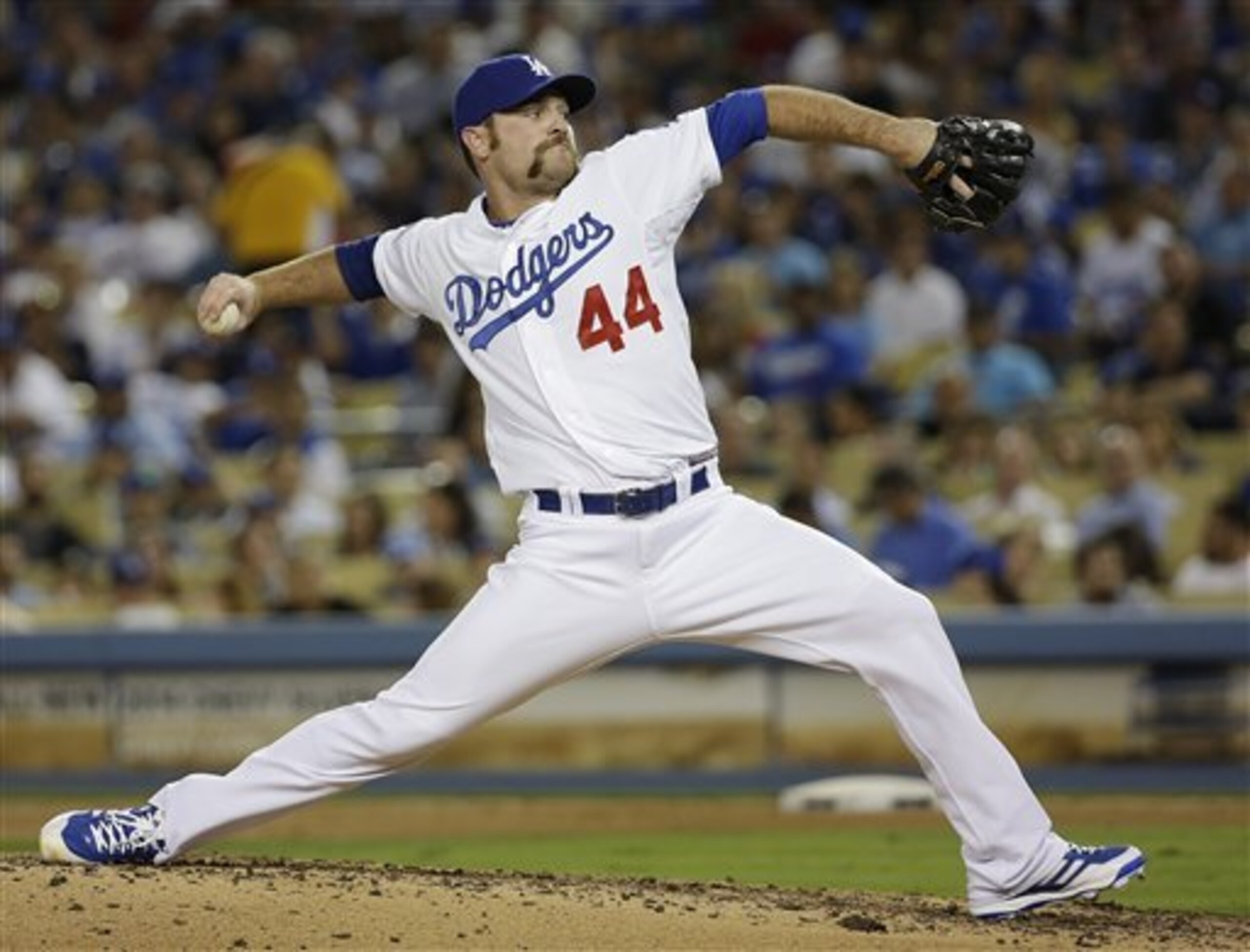
The Los Angeles Times’ Steve Dilbeck wondered whether Chris Withrow would begin the season in the minor leagues. As ridiculous as it sounds, I agree.
We know that Withrow is a hard-throwing righty with a incredible strikeout rate of 32.1 percent. He probably got lucky last year, with a BABIP of just .205 and an unsustainably high strand rate of 88.5 percent. Even building in regression from those numbers, Withrow would be a cheap (he’s still pre-arb) and high-upside option in the bullpen.
But with so many free agents and veterans as available alternatives, it looks as if we won’t see much of Withrow until the injuries begin to appear. When he does get his big-league shot, he will probably be unreliable—but his high moments will undoubtedly be quite good.
Jamey Wright
24 of 27
After spending 2012 with the Dodgers, Jamey Wright re-signed for just under $2 million. A dependable bullpen arm, Wright offers the team a right-handed arm that can throw a couple of innings in the middle of games if necessary.
He’s 39 years old, so at this point he is definitely a known commodity. Indeed, for the last four years, he’s posted an ERA in the 3.00 range. He’s not a huge strikeout machine—just a 13 percent career mark, but it’s been ticking up for the past several years—and his control isn’t exemplary, but he’s been solid and useful for many teams over his career.
He’s not spectacular, and Dodgers fans shouldn’t expect him to be. But he’ll provide valuable innings in the middle of games, which has legitimate value for the team.
Drew Butera
25 of 27
Drew Butera’s name is noteworthy only in the case of injury to either A.J. Ellis or Tim Federowicz. Otherwise, he’s a 30-year-old backup catcher who can’t really hit (career .491 OPS).
He has no real offensive strengths except perhaps that he strikes out less than average. Other than that, he doesn’t walk, he has no power, and he can’t hit the ball hard consistently. His one plus—and why he’s even on the 40-man roster—is that he’s a catcher. He must be adequate defensively, but he’s still a bit of a liability.
Unless Ellis or Federowicz gets hurt, Butera won’t be up until September. If he is called upon, don’t expect much.
A.J. Ellis
26 of 27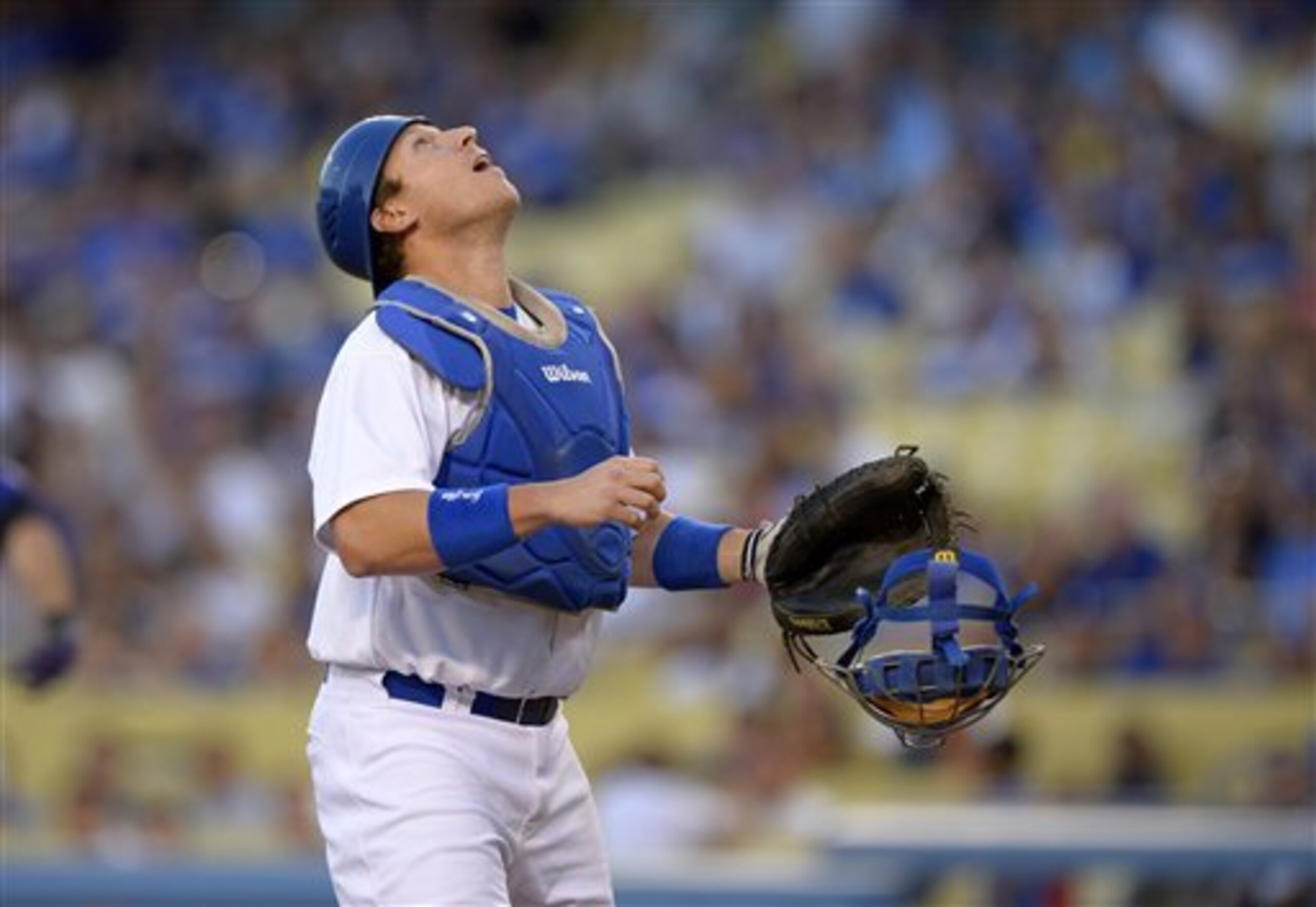
A.J. Ellis emerged from basically nowhere to be the Dodgers’ starting catcher each of the past two seasons. Even more remarkably, the Dodgers are getting above-average production (WARs of 3.7 and 2.2 in the last two seasons) from a 32-year-old catcher who has just become arbitration-eligible.
We know that Ellis shows an above-average eye at the plate, as he’s posted a walk rate better than league average in each of his full seasons. On a similar note, he’s shown an ability to avoid striking out. He doesn’t offer much power, though: His career ISO (SLG-AVG) is just .122.
All of these numbers are acceptable from a catcher, though—especially one who is still so cheap. In fact, even with Ellis’s modest offensive numbers, he ranked 14th in WAR among catchers with at least 300 plate appearances.
Ellis should continue to be a solid producer in 2014. His career .727 OPS seems like an accurate baseline, as it evenly splits his two most recent seasons. He’s about average offensively (among catchers, at least), but that has value for this team.
Tim Federowicz
27 of 27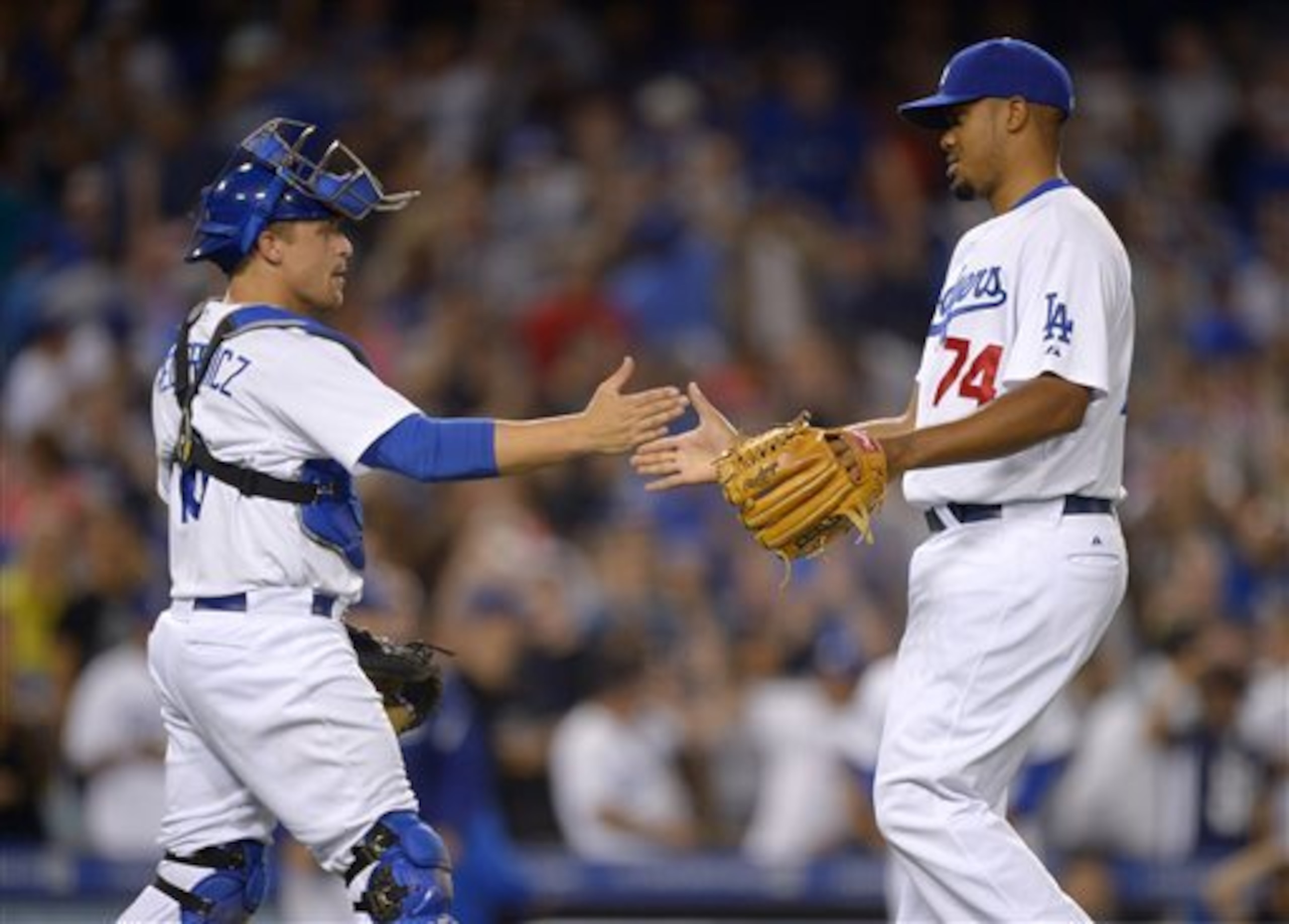
Tim Federowicz is remarkable in how unremarkable he is. He’s a young backup catcher on a rookie contract, and he’s exactly what one would expect from that profile.
He’s a below-average hitter—his career OPS+ is 76 according to Baseball Reference—but he has defensive value. His numbers throwing out base stealers are virtually league average, so he doesn’t hurt the Dodgers there. Unfortunately, there isn’t much accurate publicly available data to evaluate catchers with, so we just have to assume that he’s a positive because the Dodgers have kept him around.
We shouldn’t really expect too much from him in 2014, though. This Marc Hulet post from FanGraphs in 2012 profiles Federowicz as a “defensive whiz” who “is an average hitter…at best.” Given that, then, one might look for modest improvement as he continues to approach his peak (he’s still just 26), but he won’t set the world on fire.
Advanced stats courtesy of FanGraphs.com unless otherwise noted.
.png?w=2560 "MLB Power Rankings")
.jpg?w=2560 "Rams troll Jameis, Giants on social media")

.jpg?w=2560 "WWE Raw Live Grades 🔠")
.png?w=2560 "Davante's MONSTER MNF 🤯")
