
Creating Perfect MLB Drug Penalty Plan to Squash the PED Epidemic
In the wake of Major League Baseball suspending 13 players on Monday (not including Ryan Braun, who was sat down a few weeks ago) for their alleged connection to Anthony Bosch and the Biogenesis Clinic, cries are coming from all over to make performance-enhancing drug penalties even tougher now.
In February, just weeks after the Miami New Times issued its report on the Biogenesis Clinic, Paul White of USA Today wrote that several players were looking to get more stringent policies in place. San Francisco Giants pitcher Barry Zito was quoted as saying that the current program doesn't have enough teeth to it on the prevention side:
TOP NEWS
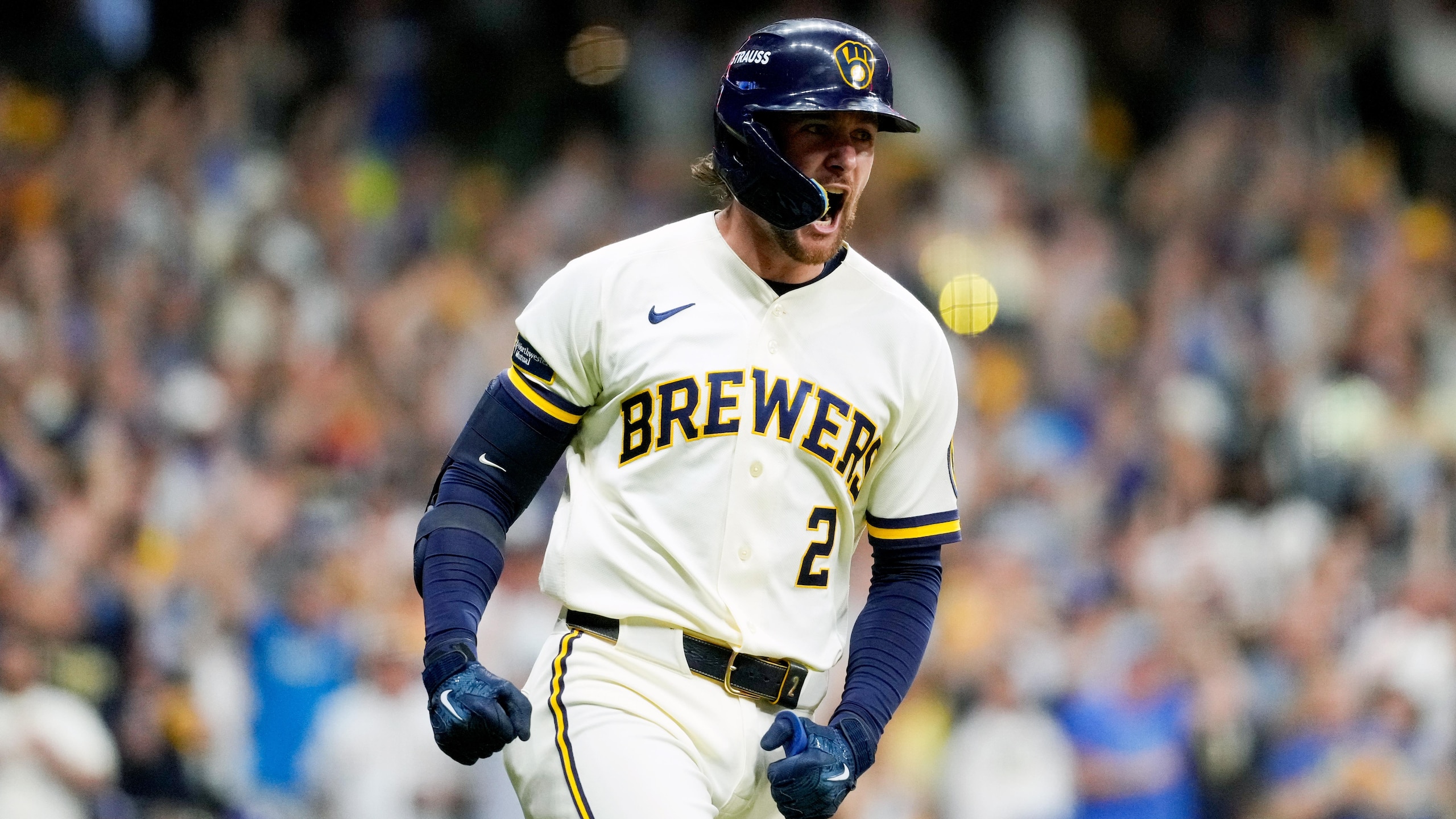
Brewers Up 2-0 on Dodgers in NLCS 🍻

Ranking Top 25 Trade Chips For Offseason 🔢
Family Bikes to 30 MLB Parks ❤️
"I'm a purist. Obviously, we need a greater deterrent, because we're seeing clearly that it's not enough of a deterrent. Then again, if somebody wants to do this bad enough, and they're under the illusion or impression that they won't get caught, and that they have something that's totally foolproof, then there is no deterrent.
"
Commissioner Bud Selig said in early March that he wanted to implement stronger drug penalties in the future (via ESPN), "I have been interested in stiffer penalties for some time. We've made meaningful adjustments to our testing, and it is time to make meaningful adjustments to our penalties."
Currently the penalties are 50 games for first-time offenders, 100 games for the second, and a permanent ban after the third failed test. Based on the percentage of games missed, MLB's penalties are longer than the NFL's (four games for a first violation, eight for a second, and one year for a third) and NHL's (20 games, 60 games, then lifetime ban for third).
So it's not like MLB has a soft drug policy. We have seen just how far and deep Selig will go to make sure that the players understand the consequences. But with everyone pleading for stiffer penalties, we are going to put together a checklist of items that will truly make players truly afraid of testing positive.
The Suspension Increments
Having listed the number of games that players will be banned for, we don't have to go over that again. But if you want to strike fear into those still contemplating artificial help, why not push for even more games up front?
Instead of 50 games for a first offense, MLB should push for 100 or an entire season. That may seem like a dramatic step up, but if you think that the players and the union are serious about making a statement to get this stuff out of the game, then you have to go for the jugular.
A full-season suspension on the first failed test would send a loud, clear message to the fans, media and all who doubt that the players really want to clean the game up due to the continued financial incentives to cheat. Melky Cabrera, to use a recent example, got $16 million for two years from Toronto even after coming off a 50-game suspension.
But if a full-season suspension for a first offense is too strong, the union can just bump up the penalties to 100 games for a first failed test, a full season (or 162 games that carry over into the next year) for the second, and a lifetime ban after the third.
Obviously, making sure that the players don't get paid while they are suspended is also paramount in this all. Successful athletes are used to a certain way of life, and financial loss can be a great wake-up call for suspended ones.
Stop Rewarding Players Who Have Tested Positive
Players like Logan Morrison let their opinions about the Cabrera signing known in a recent chat with reporters (h/t Associated Press via Toronto Star).
"Maybe penalizing the teams for guys who signed—like Melky (Cabrera of the Blue Jays) signing that $16 million deal—maybe the team should have to give up something," Morrison said.
Mark Ellis was also quoted in the piece and took things a little further than Morrison: "We don’t want the fans thinking everybody cheats. You listen to people talk and they associate baseball with cheating. The teams maybe should look at some things. Not sign guys who are caught. That would be a good thing. Start taking guys’ money away."
I am not here to debate the merits of that kind of thinking—just providing some possible solutions to one of the biggest issues in sports today. If the union and owners all agree that they want to be rid of PEDs, what good does it do to sign a player who was literally suspended just months earlier to a $16 million deal?
Even though it is a fraction of what Cabrera was looking at had he finished out the season hitting anywhere near the .346/.390/.516 line before getting popped, it is still life-changing money and a lot more than most players will ever make.
Put a provision in the CBA where teams have to properly vet a player they want to sign, find out things about his inner circle, the kinds of items he is putting in his body and go from there.
I am not saying to put a cap on what you can spend, because that's just a step or two away from a salary cap and there is no way the players' union will or should go for that. But teams have to find out more information about the players they are investing millions of dollars in.
Threaten the Contracts
This last bit is tricky because when you get into a scenario where a false positive occurs—yes, they do occasionally happen—players have the right to defend themselves. If a team decides to release a player, or somehow gets the right to void a contract, that could open a can of worms if a player has a real argument for why the test came back negative.
But on those occasions when a player does legitimately test positive, try to put language in a contract that would allow the team to cut ties with him or not.
You can't reduce their salary in the contract because teams would do that in a heartbeat, even if the player is still productive. But if they feel strongly about getting PEDs out of the game, and don't trust the player to stay on the field after this happens, find a way to let them out of the deal.
Granted, that gives owners a lot more power than they deserve and a way to protect them from themselves with bad contracts. (It's not the players' fault that the team chose to pay them all that money, which is the argument I give whenever someone says that Alex Rodriguez is overpaid.)
Again, I don't have a definitive way to execute this part of the plan perfectly because there are shades of gray that you have to take into account. There is an appeals process that players are entitled to. Sometimes the evidence will be in favor of the player, other times it won't be.
But as I have said throughout, if you want to get players to really fear the drug-testing policy and suspensions, you have to hit them in the one place that they will feel it most—the wallet. No sport is perfect. There are always going to be players who break the rules. But if the union is really serious about turning things around, there are measures to be taken that can get them there.
If you have ideas for ways to rid baseball of PEDs, or just want to talk about things happening on the field, hit me up on Twitter with questions or comments.


.jpg?w=2560 "Commanders OL HEATED After Tie ▶️")
.jpg?w=2560 "49ers LB Suspended for Headbutt")
.jpg?w=2560 "Harbaugh's Jameis Comps 🤨")
.jpg?w=2560 "WWE Raw Live Grades 🔠")