Everton FC: Why Marouane Fellaini's Probable Summer Exit May Prove a Blessing
Ever since his controversial quotes last year and some January rumours of a buyout clause, most Evertonians have accepted this is likely to be the last season they see Marouane Fellaini in Everton colours.
Indeed, this is a scenario most football folk envisage too, with the Belgian's constant headline-grabbing performances likely to prompt a summer move away to a Champions League side.
With 12 goals to his name, he's the Toffees' top goalscorer this season. He's the focal point of their play, and his strikes have often been the difference for his side in several closely fought games.
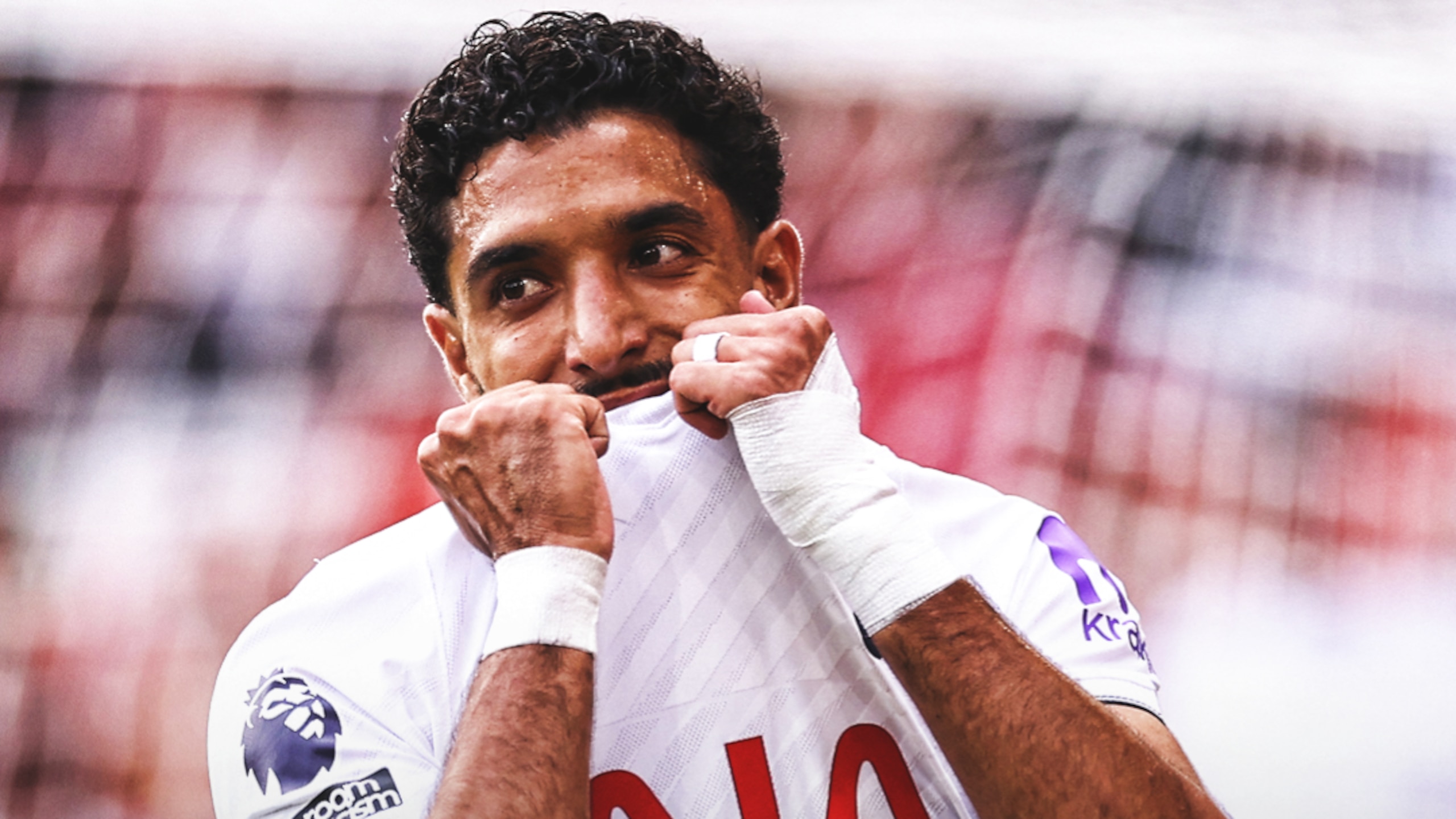
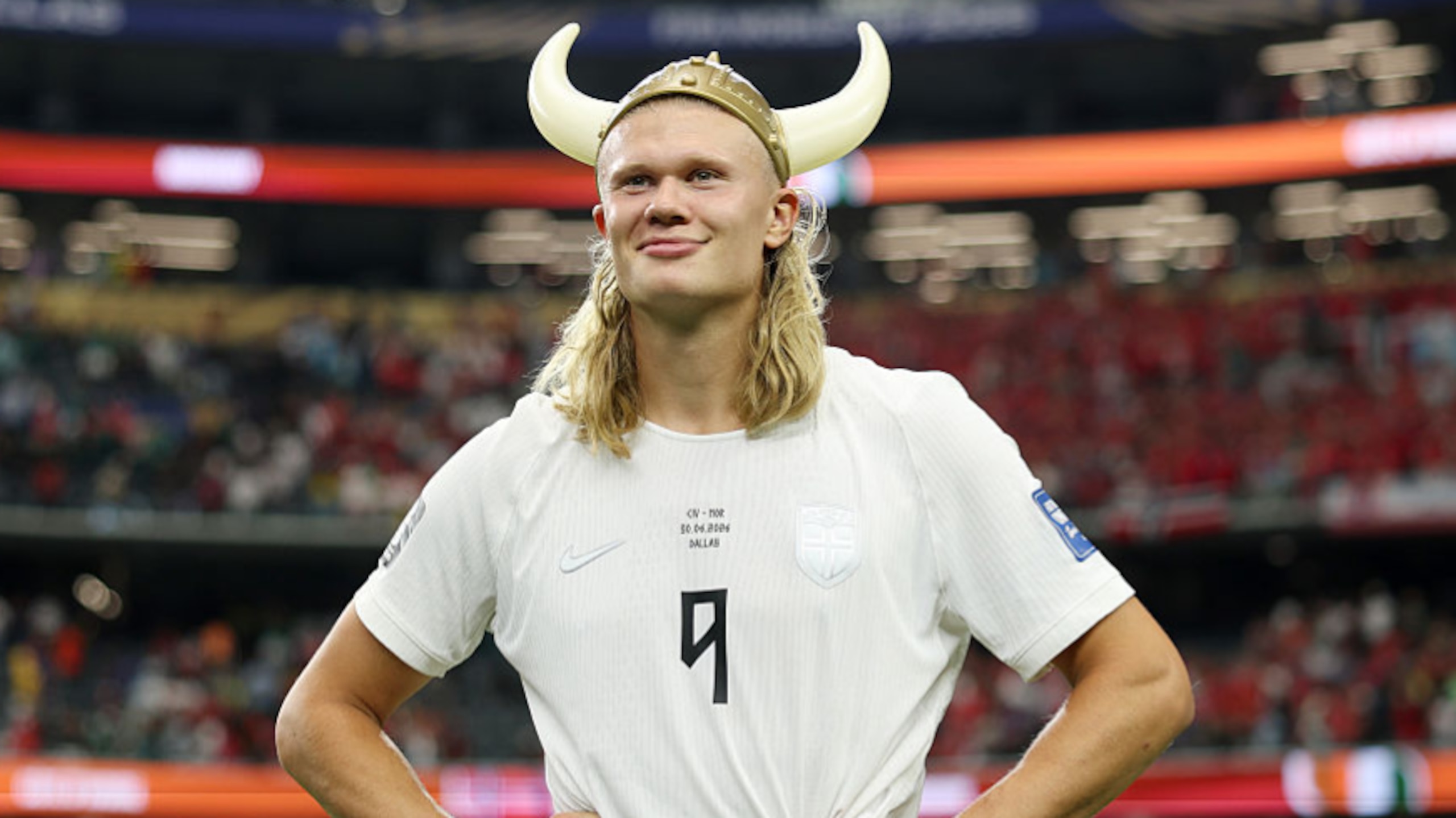

He's been lavished with praise in the media and generally gushed over by supporters, yet for all he's contributed at Everton, a move away may not be as bad as it sounds.
In fact, it could even turn out to be quite beneficial for the Toffees.
Certainly there are obvious silver linings to find in any sale of this potential magnitude, especially for a notoriously impoverished side with a growing debt approaching £50 million.
Everton would presumably fetch a fee around £25 million, which would instantly soothe their relationship with the bank.
Fellaini is also reportedly the club's highest earner, so offloading his considerable pay, of £75,000 per week, would also create a certain amount of leverage around the club's current wage structure.
As with the sales of Wayne Rooney, Joleon Lescott and Jack Rodwell, receiving such a sizable cheque would then allow the Toffees to bring in two or three players to strengthen the squad.
Yet, aside from these slightly more obvious aspects, it's actually on the pitch where Everton may eventually prosper most of all.
That's a strange thing to say, given Fellaini's much-hyped input this season, but since he's been thrust further forward positionally, he's gradually had a negative impact on the way the Toffees play.
David Moyes has always toyed with the idea of Fellaini as an attacker. In his first season at the club he played there as a necessity, mainly due to the Toffees' deficiency of strikers, but since the end of last season this has now become his primary role.
There's no doubt he initially flourished there, as Everton went on a 2012 scoring spree between March and October. It appeared defences were initially caught off guard about how best to manage him, which largely contributed to the Toffees' spurt of form.
However, since a few more physical, robust defenders got their hands on the Belgian and ruffled his feathers, his overall contribution has started to decline, as has his team's.
Jonas Olsson was one of the first opponents to effectively neutralise Fellaini, and since then, Ryan Shawcross, Gary Caldwell and Michael Turner are just some of the others to have also succeeded.
He's still feasted on some more accommodating defenders, such as Aaron Hughes and Ciaran Clark, but, as the season's progressed, Fellaini's been given far more physical opponents to contend with and his performances have suffered as a result.
The goals he's scored have tended to gloss over 89 minutes of average play, but the more alarming aspect has been how much his team have suffered when he's been nullified.
This is because Everton have gone from using Fellaini as an occasional direct option, for instant territory up the field, to seeking him out at every opportunity.
From starting the season the way they finished the last—in such a fluent vein form, transferring the ball laterally and destroying teams out wide—the Toffees have morphed into an almost-predictable, one-dimensional, long-ball outfit.
Stylistically they are now slow, languid and unadventurous in their passing. Midfielders aimlessly stroke the ball around, unable to exploit as many two-on-ones out wide, before panicking and aiming at Fellaini. His presence has almost caused a laziness to permeate the team's approach.
So many matches have been battles this season, with just one Premier League game won by more than one goal since September. A lot of that has to do with the fluency being completely drained from the side, which all comes down to the presence of Fellaini.
His attacking role also completely wastes the influence of Nikica Jelavic, a player who promised so much during the early part of his Everton career.
The Croatian thrives on a flurry of through balls, yet with the team playing solely to Fellaini—who generally has his back to goal and prefers to chest the ball down—Jelavic is criminally misused, which may have something to do with his dramatic drop in form.
The striker's far more likely to succeed with a playmaker behind him, which is how Everton would surely look to play if Fellaini went.
Unsurprisingly the Toffees' best performance of 2013 has been with Fellaini in midfield, against West Brom, where Leon Osman, Steven Pienaar and Kevin Mirallas all interchanged in the attacking roles behind the Croatian. Everton have far more options setting up like this.
Saturday's inept display against Wigan is just one example of how impotent the Toffees can look when their long ball to Fellaini doesn't work. Their passing has become too slow to exploit their opponents elsewhere and central midfield is an area in dire need of new faces come the summer.
Clearly Fellaini's been a pivotal individual this season and, if he goes, there will be times his presence will be hugely missed, yet several of his recent performances have been greatly over-hyped.
His summer sale would not only revitalise the club's finances and allow a couple of new additions, but it would also provide the Toffees with a chance of resurrecting a fluid approach and becoming a far more rounded, attractive unit.
Even if the club have to initially step back—to compensate for the change in style—without Fellaini they should eventually emerge a more flexible, cohesive side, capable of far greater consistency.